


IMDb/Warner Bros.
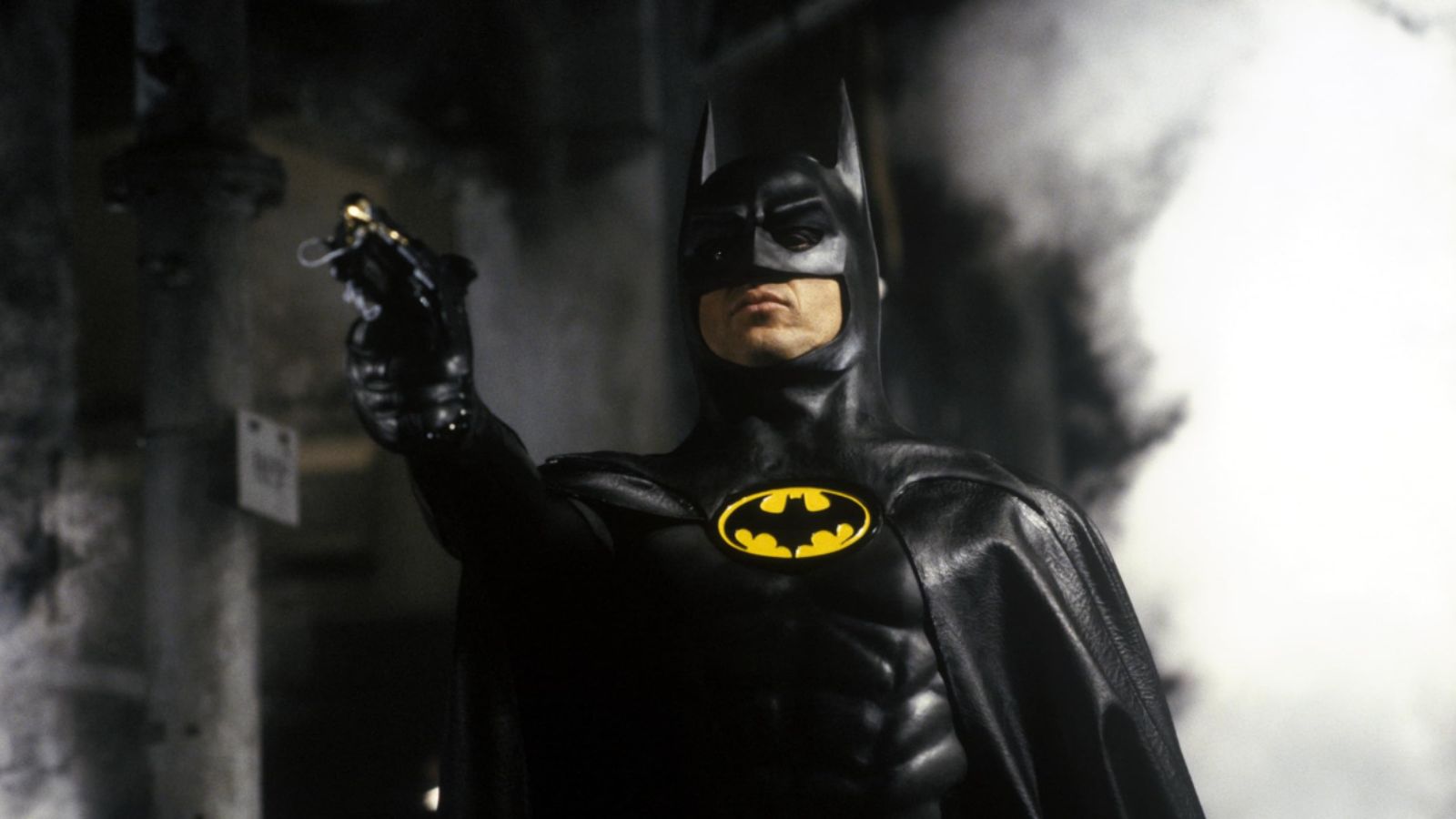
Would you behave better in the presence of The Dark Knight? According to science, that’s a very real possibility, regardless of the fact that Batman is not a real person (so far/as far as we know).
According to mental health research conducted by the Nature Partner Journals, “prosocial behavior” — which is defined as the act of helping others within a society — increases when in the presence of Batman, the iconic DC comics superhero that first debuted in 1939. They’re calling it “The Batman Effect.”
The study was published by researchers Francesco Pagnini, Francesca Grosso, Cesare Cavalera, Valentina Poletti, Giacomo Andrea Minazzi, Anna Missoni, Laura Bogani and Mauro Bertolotti in npj Mental Health Research on November 5.
Study finds that people are more likely to behave better and treat other people nicer when in the presence of Batman
“Prosocial behavior, the act of helping others, is essential to social life, yet spontaneous environmental triggers for such behavior remain underexplored. This study tested whether an unexpected event, such as the presence of a person dressed as Batman, could increase prosocial behavior by disrupting routine and enhancing attention to the present moment,” reads a study published in the npj Mental Health Research.
The experiment took place on the Milan metro system and found that people were roughly 30% more likely to give up their seat to a stranger when someone dressed at Batman was aboard the train car.
In the control experiment, a fake pregnant woman — wearing a prosthetic belly — entered the train car in search of a seat. In the experimental group, in addition to a fake pregnant woman boarding the train, a man dressed as Batman also boarded approximately 10 feet away (3 meters), with there being no interaction between the pair.
“We conducted a quasi-experimental field study on the Milan metro, observing 138 rides. In the control condition, a female experimenter, appearing pregnant, boarded the train with an observer. In the experimental condition, an additional experimenter dressed as Batman entered from another door. Passengers were significantly more likely to offer their seat when Batman was present (67.21% vs. 37.66%, OR = 3.393, p < 0.001). Notably, 44% of those who offered their seat in the experimental condition reported not seeing Batman. These findings suggest that unexpected events can promote prosociality, even without conscious awareness, with implications for encouraging kindness in public settings. “
The study also included an undeniably hilarious picture of the experiment in action, with a man dressed in a Batman Halloween costume — seemingly the Christian Bale from The Dark Knight trilogy version of the suit — aboard a busy train.
The Batman effect.
A female experimenter, appearing pregnant, boarded the train. In the experimental condition, an additional experimenter dressed as Batman entered from another door. Passengers were significantly more likely to offer their seat when Batman was present (67.21%… pic.twitter.com/bO5Cd12yIy
— Massimo (@Rainmaker1973) November 22, 2025