


iStockphoto / @barberb_wifey
Many working Americans today are either in debt, living paycheck to paycheck, or struggling to keep up with payments.
That’s why unexpected fees on a receipt tend to hit harder than they used to. And they’re not exactly rare. One Tampa man previously questioned a $3 “packaging fee” after eating at a J. Alexander’s restaurant. A customer in Texas also raised eyebrows after spotting a $5.16 “charged tips” fee on a Dunkin’ drive-thru receipt, despite never tipping anyone.
Now, another customer is questioning a mysterious charge, this time after ordering from Chick-fil-A. A Colorado woman took to TikTok after noticing a “public improvement fee” on her receipt, sparking a broader discussion about what the charge actually is and where that money goes.
‘Is This New, Or Have I Just Never Noticed?’
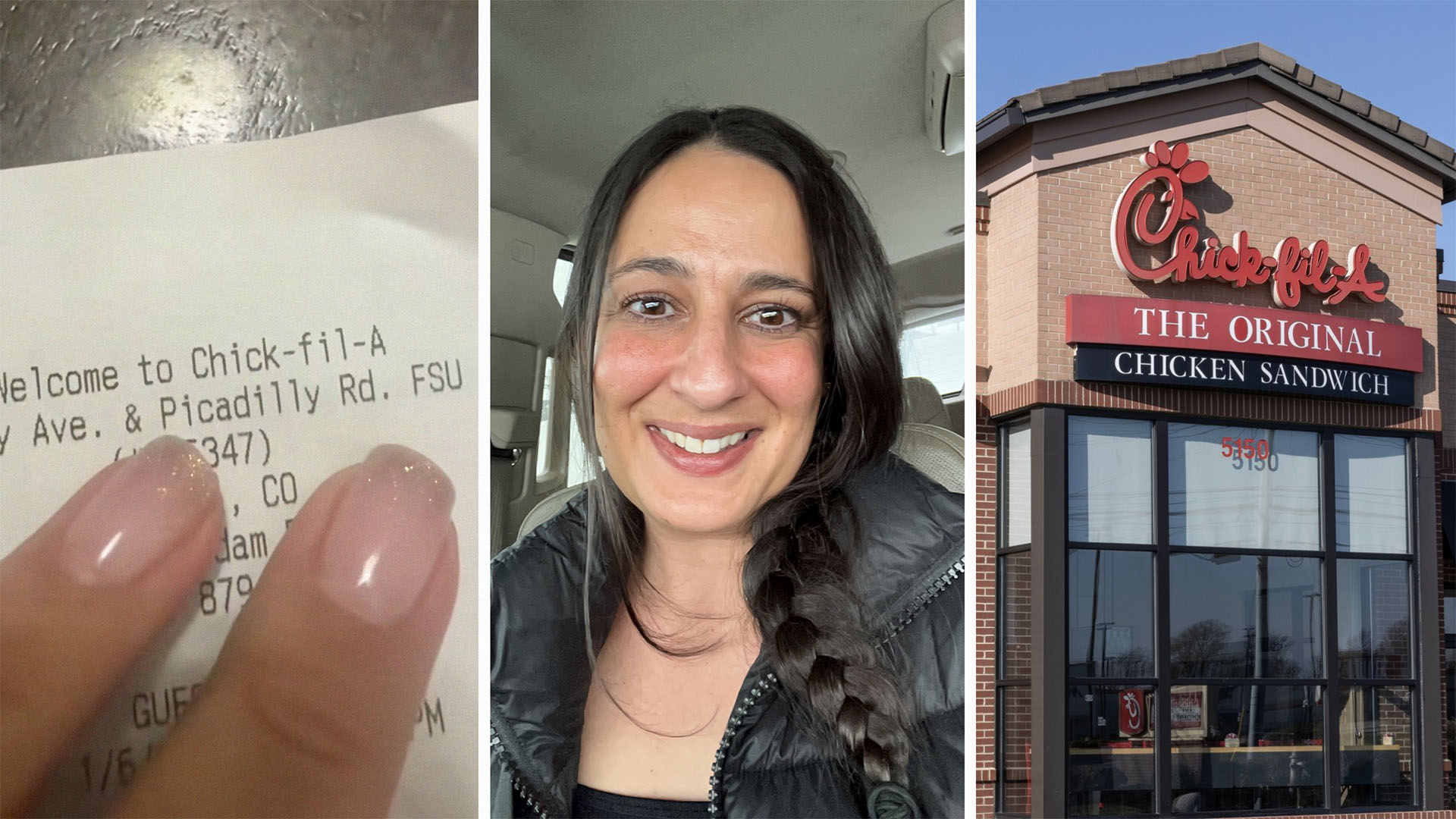
In the clip, which has gotten over 95,400 views at the time of writing, TikTok creator Jill (@barberb_wifey) films her Chick-fil-A receipt.
“I don’t know if I’m late to the party, but what is a public improvement fee from Chick-fil-A?” she asks in the video. “What is that?”
The receipt she films indeed shows a $2 fee titled “Public Improvement Fee.”
“Is this new, or have I just never noticed?” Jill adds in the caption. “Not complaining, just genuinely curious.”
UPDATE: Jill told BroBible that she “didn’t notice any signage or disclosure about the public improvement fee before paying, and it wasn’t mentioned at the register.”
“We paid in cash and only noticed the fee after reviewing the receipt, which is what prompted me to post the video. It wasn’t posted out of anger, I was genuinely curious if anyone else had seen this or experienced something similar,” she shared.
She said that a representative for Chick-fil-A or the store in question has yet to reach out to her.
“Seeing the fee has made me more mindful about checking receipts, because I believe people deserve transparency when extra charges are added. That said, I didn’t go back to demand a refund or explanation, because I don’t think that burden should fall on individual employees,” she added.
What Is A ‘Public Improvement Fee’?
A Public Improvement Fee (PIF) is a privately added charge that appears on receipts at certain locations in Colorado. It is not a government tax and typically shows up at newer business developments and retail centers.
The purpose of the PIF, according to a Johnstown, Colorado, government site, is to raise money for infrastructure tied to the property itself, with the cost passed on to customers. That can include parking lots, roads, sidewalks, landscaping, and general upkeep of the area.
In most cases, the business isn’t the one adding the fee. Instead, the land developer requires it, and that developer is the entity that ultimately collects the money.
According to a KOAA News 5 report, a local Colorado station, many residents are already familiar with the charge. One business owner told the publication he was required by the property developer to impose a 1% PIF and post a notice at the register explaining the fee.
He added that customers frequently question and complain about the charge, often leading to long explanations about why it appears on their receipt.
Commenters Focus On Chick-fil-A, Not The Fee
In the comments, several viewers focused more on Chick-fil-A as a company.
“It’s something they charge in that zip code or specific area. The vendor doesn’t have a choice,” one person wrote, before adding, “But also stop supporting chik fil a!”
Others were more direct in their criticism. “They are a racist and homophobic company and are always lobbying against equality,” another commenter claimed. “So it probably is being used for that.”
“You guys still eat there??” one person asked.
At the same time, other users tried to pull the discussion back to the charge itself and explain how it typically works.
“Seen most commonly in Colorado, a public improvement fee is seen at businesses that are within a shopping center/outlet,” one commenter explained. They added that the landlord or developer usually requires the fee to help fund infrastructure improvements like pavement, lighting, and other maintenance tied to the property. “The business in most cases will tack on a fee and fund this extra cost through customer sales,” they wrote.
@barberb_wifey Is this new or have I just never noticed? Not complaining, just genuinely curious 👀 #chickfila #relatable #fastfood ***Hey quick clarification. The post? Awareness and curiosity. Not attention. Not controversy. Not whatever story you decided to make up. I even saw some of the comments TikTok filtered and whew. Loud, wrong, and confident. And just to be very clear, eating at a restaurant does not mean I automatically support every belief, every decision, or every stance connected to it. That’s a reach. A big one. If you misunderstood, reread it. If you’re offended, reflect. If you’re here just to twist things or be disrespectful, this space isn’t for you. Please don’t make assumptions, and do better when leaving comments. And to the rude ones… have a good day. Clearly, you need it.
In the caption, Jill clarified that her post was meant to raise awareness and curiosity, not to stir controversy. She also pushed back against commenters who made assumptions about her beliefs based on where she chose to eat, saying that dining at a restaurant doesn’t equal endorsing everything connected to it.
She added that some responses missed the point entirely and asked people to engage respectfully.
BroBible has reached out to Chick-fil-A via email.