


Most people think they’re underpaid. In 2025, it was widely reported that seven in 10 workers believe they’re not paid enough. A 2024 survey noted that almost 90% of Gen Z workers believe they are not being compensated fairly.
Not helping matters is the fact that wages have largely stagnated as productivity skyrockets. And benefits enjoyed by workers of a previous generation, such as bonuses and employer-sponsored full-coverage health insurance, are largely becoming a thing of the past.
With this in mind, it’s understandable that an employee who suddenly finds themselves being overpaid would be tempted to keep the money. But should they? That’s a question posed by a recent video from TikTok user Liz (@lizflynn000).
An Employer’s Overpayment Leads To A Dilemma
In her video, Liz asks viewers, “What would you do in this situation?” Her video currently has over 1.1 million views.
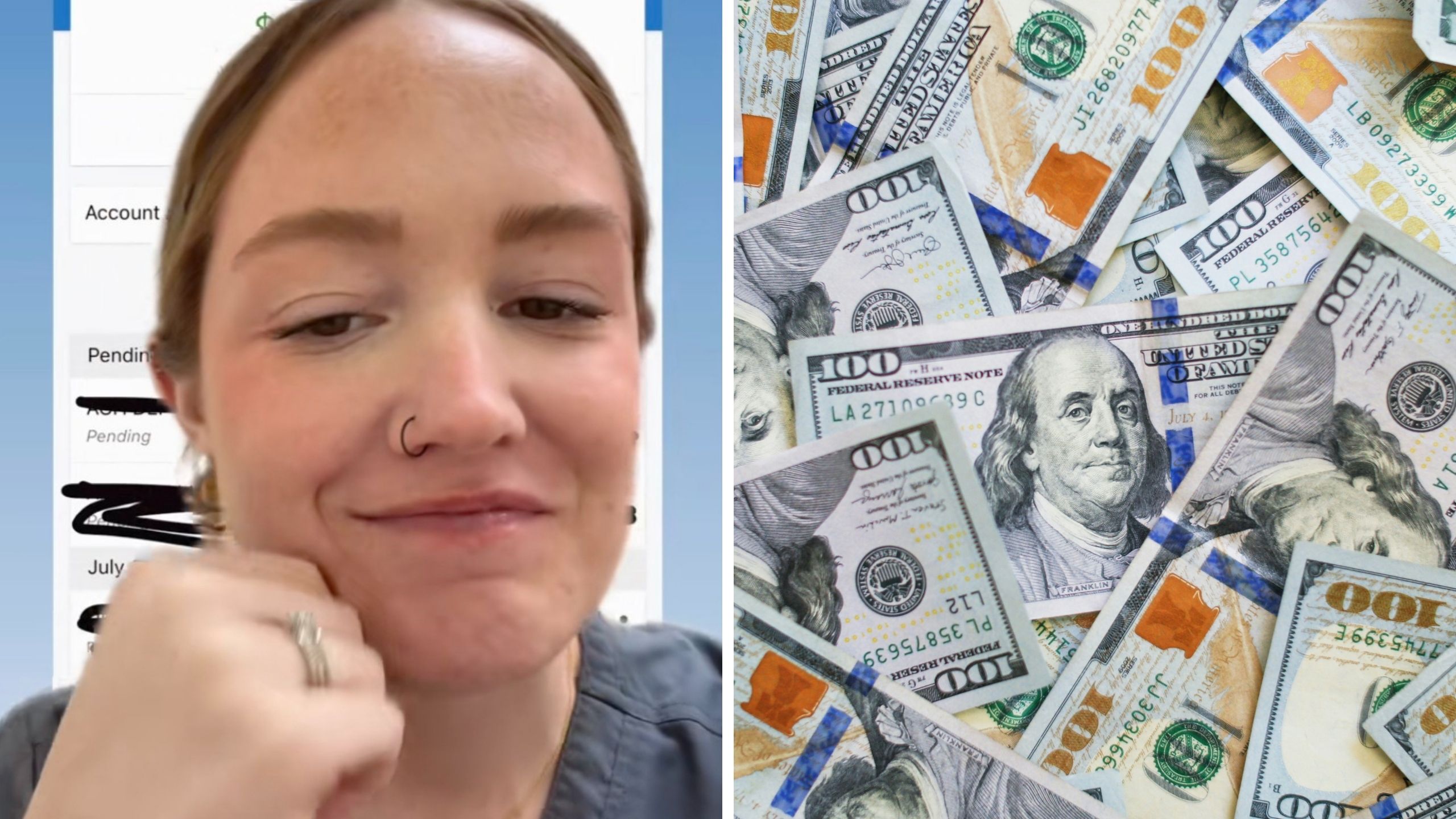
Liz then reveals a bank deposit for over $32,000.
“My employer accidentally paid me $32,000,” she says, laughing. “Do I just peace out? Do I quit? What do I do?”
In the comments section, many users said that she should, in fact, quit and “peace out.”
“I’d withdrawal dip and close the account,” wrote a user.
“I mean… it was deposited… so technically… it’s yours now right….” suggested another.
“No they didn’t. What are you talking about?” joked a third.
So, is Liz entitled to the money?
Can You Keep The Money If Your Job Overpays You?
In a follow-up video, Liz says that this incident actually occurred last year. She says she promptly told her employer what happened. And, she says, “they took it back immediately.”
“They fixed my tax forms. They fixed everything,” Liz explains.
Still, many wondered if an overpayment meant an accidental payday.
In short, the answer is “no.”
As noted by HowStuffWorks, state and federal labor laws, including the Fair Labor Standards Act, allow employers to get their money back in cases of overpayment. This can even include garnishing an employee’s future earnings, effectively treating the overpayment as an advance of wages.
The exact methods an employer takes to do so can vary from state to state. For example, author Dave Roos notes that, in the state of California, “an employer can only recoup money if the worker signs a written agreement outlining the exact terms of repayment.”
Don’t think that you’re off scot-free just because time has passed, either. The piece states that overpayments may be recovered for up to six years. There can also be consequences if one learns of an overpayment and does not report it to their employer.
As a result, if you discover that you’ve been overpaid, it’s probably best to simply inform your employer. Then you can work with them to figure out a repayment plan.
@lizflynn000 HELP ME LMAOOO #fyp #paycheck #greenscreen
Commenters Say You Shouldn’t Keep It
In the comments section, many users echoed the advice that, in this situation, it’s probably best to just inform your employer and begin the process of returning the money.
“TELL THEM. I work in HR and I totally get that it’s the employer’s mistake, but it’ll get flagged on a P&L later and it doesn’t look good if you don’t say anything,” offered a user.
Another echoed, “I promise they will find this during an audit and take it back. I am so sorry.”
“This happened to me.. they tried taking it back but my bills on auto pay took some of it so they couldn’t,” recalled a third. “they sent me a letter in the mail and gave me the option of taking 450 out of each check for 3 months or they let me go and take my final paycheck.”
BroBible reached out to Liz via TikTok direct message and comment.