


Omar Ornelas / USA Today Network / USA TODAY NETWORK
Every year, U.S. Customs and Border Protection (CBP) agents intercept and seize literally thousands of counterfeit items. From jewelry and watches to sports memorabilia, driver’s licenses, and musical instruments, there is almost nothing criminals won’t try to bring into the United States to further their scams.
Case in point: Over a span of two days last week, U.S. Customs and Border Protection officers in Louisville, Kentucky thwarted some potentially very lucrative scams when they seized five shipments containing over two thousand pieces of fake jewelry.
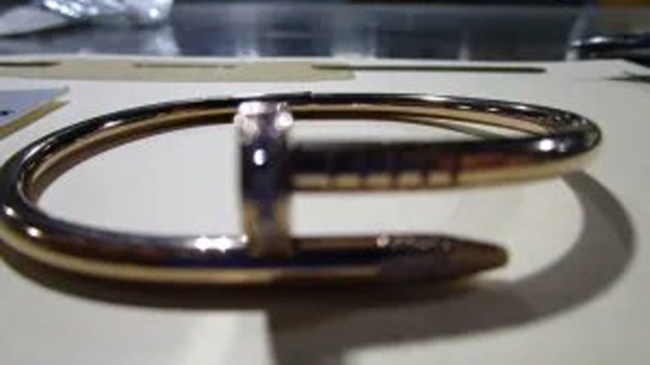
The first day, CBP officers intercepted a shipment of counterfeit jewelry that had arrived in the United States from China with its planned destination being a residence in Pennsylvania. In that shipment were 318 bracelets bearing unauthorized versions of Cartier trademarks.
That same day, they seized another shipment arriving from Hong Kong that was headed to a residence in Tampa. That shipment contained 490 necklaces, 205 pair of earrings, and 80 rings, bearing unauthorized trademarks owned by Van Cleef and Arpels.
On day two, Customs and Border Protection agents intercepted three more shipments from China containing 800 counterfeit Cartier bracelets. Two of the shipments were destined for a residence in Fayetteville, North Carolina, while the third shipment was being sent to Michigan.
CBP
All told, 2,193 counterfeit pieces of jewelry were confiscated. According to the CBP’s Centers of Excellence and Expertise, those five shipments, had they made it to their destinations, would have had a combined value of over $25.32 million.
“Intellectual property theft threatens America’s economic vitality and funds criminal activities and organized crime,” said LaFonda D. Sutton-Burke, Director of Field Operations, Chicago Field Office. “When consumers purchase counterfeit goods, legitimate companies lose revenue, which can force those companies to cut jobs. Our officers are dedicated to protecting private industry and consumers by removing these kinds of shipments from our commerce.”
According to U.S. Customs and Border Protection, approximately 90% of the total items they seized in 2024 for Intellectual Property Rights infringement come from China and Hong Kong. CBP also points out that while selling fake items often seems like a victimless crime, the illicit proceeds resulting from the sale of counterfeit or unlicensed products are often used to fund smugglers and members of organized crime.