



iStockphoto / © Glenn Beil-Imagn Images
Springtime is upon us meaning temperatures outside will soon be on the rise. Summer will be here before we know it. For many college students around the US, the changing of the seasons is welcomed.
Summer break starts a three-month vacation. Depending on the school you attend, the decision to stay on campus for that respite could rely on weather.
Some are lucky enough to attend universities near the beach. Others might be positioned far enough north in areas that provide mild summer temperatures.
For many, however, beating the heat is difficult.
9 hottest college campuses in the US.
Here, we’ll take a look at some of the hottest major cities across the nation and the colleges that reside in the area. These schools stretch from coast to coast, though most are located in one of four predictable US states.
We’ll start on the West Coast and work our way east starting with a pair of universities in California.
UC-Riverside
iStockphoto
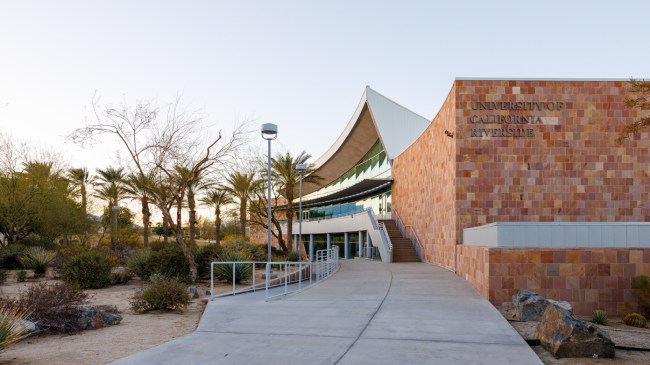
UC-Riverside is the largest college in the city, boasting an enrollment of more than 26,000 students. Established in 1954, it’s one of 10 campuses of the University of California system.
Riverside is located about 50 miles inland from Los Angeles, shielding it from sea breezes. Summers are filled with 100-degree afternoons.
Riverside, California, approximately 50 miles east of downtown Los Angeles, has recorded triple-digit heat every month from March through November with an all-time high of 118. This is higher than the all-time record in Las Vegas and just a few degrees shy of the record high in Phoenix
Fresno State
iStockphoto
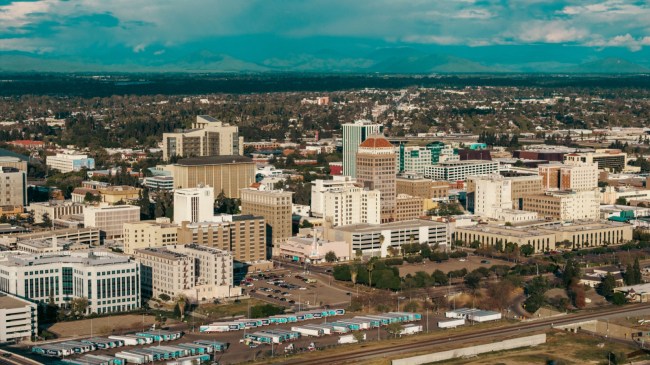
Fresno State was established in 1911, more than a century ago. It currently boasts an attendance north of 20,000 students.
Those attendees must deal with heat on a regular basis, particularly in the summer. The largest city in the Central Valley region, its highest temperature on record is 115 degrees. The month of July averages 98 degrees and in 2018, the city had a stretch of 30 straight triple-digit days.
Outside of the Mojave Desert and the Colorado Desert, the Central Valley is California’s hottest region with temperatures often reaching the triple digits. This includes Fresno, home to over half a million people.
-Accuweather
University of Arizona
iStockphoto
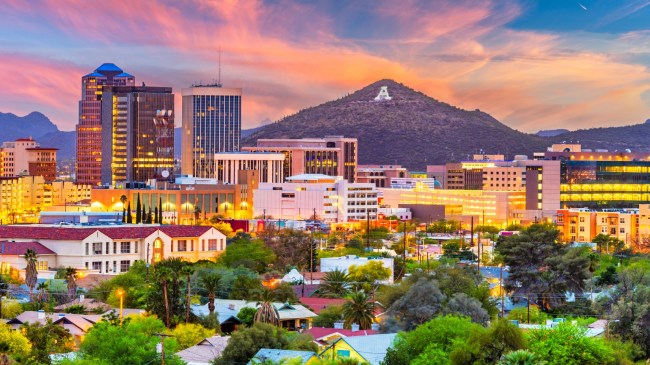
Tucson is one of the hottest places in the US and the home of the Arizona Wildcats. The school has an enrollment of around 45,000 students and sits on the edge of the Sonoran Desert.
Triple digits are a common occurrence in the Grand Canyon State hub, and the average summer temperatures are in the upper 80s.
One of Tucson’s hottest summers in recent years occurred in 2013 when the city climbed into the 100s for 39 consecutive days, including all of June.
Thunderstorms can provide temporary breaks in the extreme summer heat, but they can also kick up dust storms, called haboobs, that can greatly reduce visibility and cause dangerous travel conditions.
-Accuweather
Arizona State University
iStockphoto
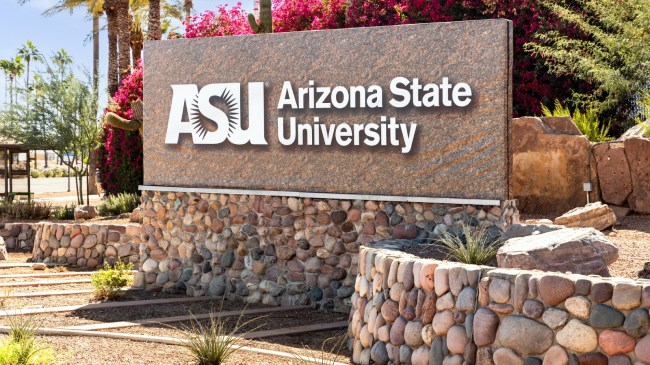
The Wildcats’ rival also makes the list being located just outside the state’s hottest city of Phoenix. Arizona State’s enrollment is just over 50,000. Each of those students is tasked with beating the heat.
Phoenix frequently tops lists of hottest cities in the US. The average summers sit in the low to mid-90s. It’s a dry heat that doesn’t let off.
The temperature climbs above the 100-degree mark on a daily basis from the end of May through the middle of September. These blistering hot days are followed up by warm nights with the low temperature sometimes failing to drop below 90. During the hottest part of the year, the mercury could flirt with the 120-degree mark.
-Accuweather
UNLV
iStockphoto
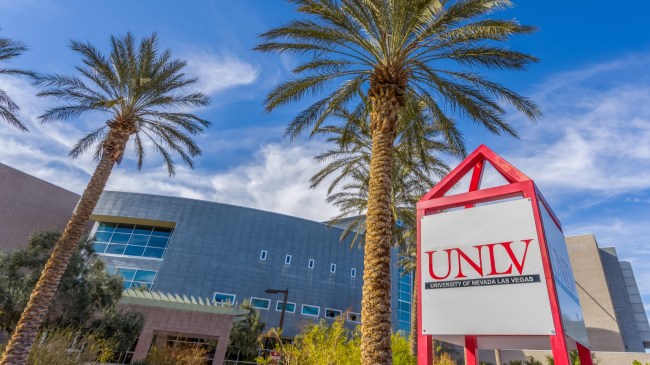
There are more than 25,000 Runnin’ Rebs attending school in Las Vegas, one of the hottest cities in the country. Those students must constantly search for air conditioning, particularly in the summer.
Temperatures in the area stay in the low 90s during the summer months with the record-high touching 120. UNLV’s campus is located just east of the Las Vegas Strip and is surrounded by the Mojave Desert.
The city averages over 70 days a year with temperatures in the triple digits and has reached its all-time record high of 117 on several occasions.
-Accuweather
SMU/TCU
iStockphoto
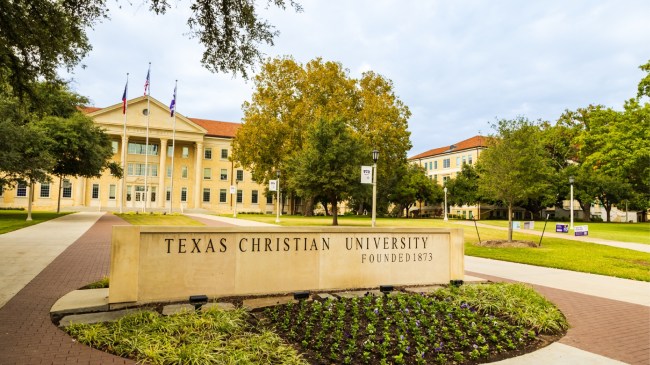
We’ve combined these Dallas-Fort Worth area rivals due to their close proximity in one of Texas’s hottest hubs. The two schools are separated by just 45 miles. Neither is shielded from the scorching heat.
Dallas is located in the northeast part of the state. It does not touch the Gulf of Mexico, ridding it of humidity and coastal winds that keep temperatures down in other areas.
Being farther away from the source of tropical moisture allows temperatures to be slightly higher than near the coast with daily highs in the mid- to upper 90s from the end of June into early September.
-Accuweather
UTSA
iStockphoto
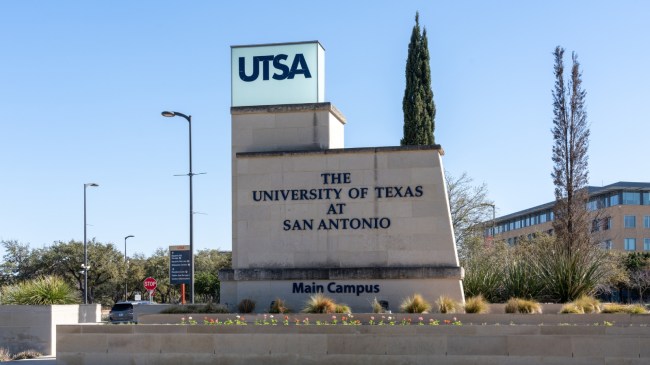
The University of Texas at San Antonio boasts an enrollment of 40,000 students, making it one of the largest schools in the Lone Star State.
It also happens to be located in quite possibly the state’s hottest region. San Antonio is further south than Dallas, about 150 miles from the border of Mexico. Summers are hot, humid, and unrelenting.
On average, the city reaches the 90-degree mark more than 110 days out of the year, as well as several days in the low 100s.
August is the hottest month of the year in San Antonio with an average high temperature near 97, one of the highest averages across the entire country among major cities.
-Accuweather
UCF
iStockphoto
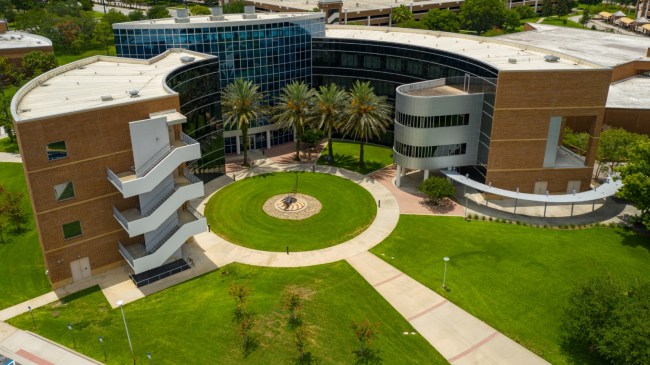
UCF is one of the largest schools in the United States with an enrollment of around 70,000 students. It is also one of the hottest campuses in the nation.
Its position on the East Coast provides both heat and humidity. Luckily for attendees, there are ways to beat the heat. The beach is located about an hour away.
Temperatures in Orlando can occasionally reach the 100-degree mark with an all-time record high of 103. Overnight temperatures also remain mild, as it rarely dips below 60 from June through September.
Orlando also remains warm throughout the winter with afternoon highs in the 70s and overnight lows that rarely drop below 30.
-Accuweather
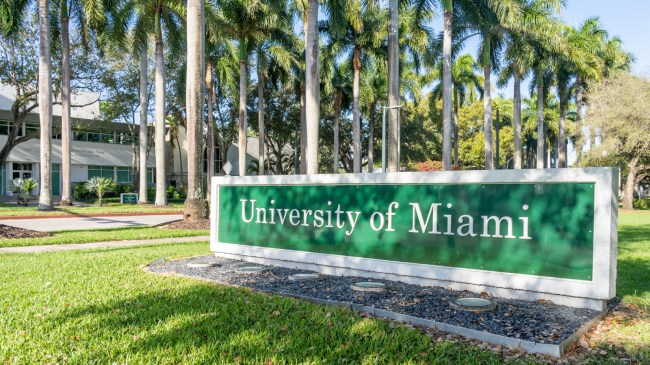
University of Miami
iStockphoto
Miami is unique on this list in the sense that actual temperatures don’t typically reach triple digits. It’s the “feels like” temps that truly tell the story.
The area’s positioning at the tip of Florida open it up to intense humidity that amplifies the heat. Many argue that the dry heat of the West Coast doesn’t compare to the East Coast’s mugginess.
Although the mercury in southern Florida doesn’t climb as high as it does in the southwestern United States during the summer, Miami’s proximity to the tropics can make it feel boiling hot, especially for those not accustomed to the high humidity levels.
Miami has only recorded a temperature of 100 once since 1895, but the strong summer sun paired with the humidity can send the AccuWeather RealFeel® temperature over 110 on the hottest afternoons of the year.
-Accuweather