


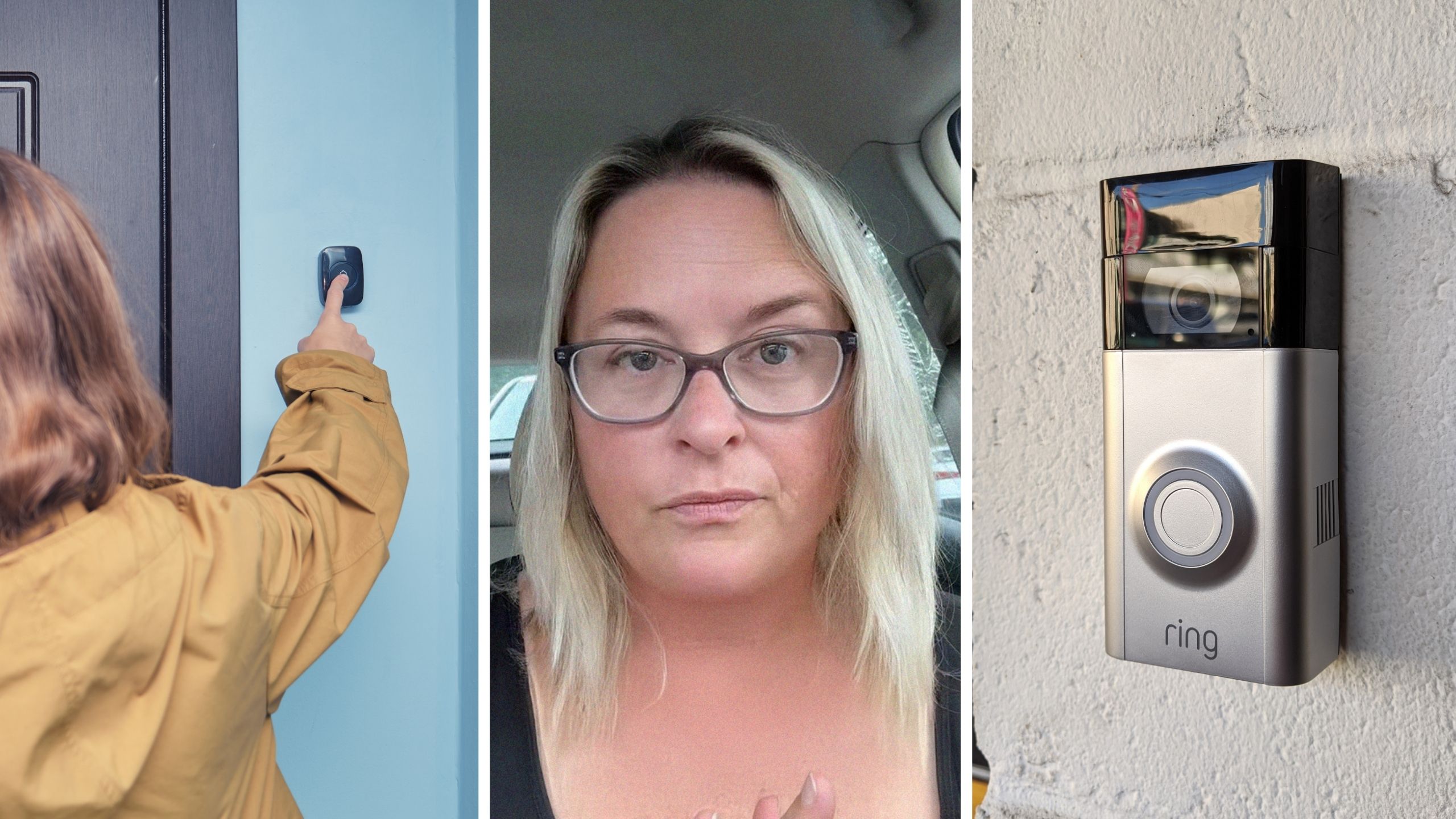
There’s a new scam targeting homeowners—and it could lead to them losing their house.
Homeowners in the U.S. have to deal with a lot of issues. These can range from wild animals to strange discoveries on their property.
One thing they will hopefully never have to deal with, however, is someone trying to scam them out of their home. But, according to TikTok user Christina Smith (@christina.adhdrealtor), signing the wrong paperwork can lead to a load of headaches—and, potentially, a lost home.
What Happened To This Woman’s House?
In a video with over 73,000 views, Smith says that something “really serious” recently went down with one of her friends.
According to Smith, someone came to her house and began taking photos. When her friend went outside to figure out what the stranger was doing, she was told that they were “here for the final inspection.”
“My friend said, ‘What inspection? There’s no inspection,’” Smith says. The stranger then confirmed the address. “My friend said, ‘Yes, but again, our house is not for sale, and there’s no inspection.’”
Upon further examination of the Ring camera footage, Smith realized that the stranger was holding what Smith calls a “CA5 notary form—a document that scammers often use when they’re trying to transfer ownership or impersonate a homeowner.”
What Is This Scam?
Smith says that, while she’s not sure of the exact kind of fraud these people were trying to attempt, it looked like it could be attempted deed fraud or title fraud.
“Stolen notary seals get used to authenticate fake documents, including grant deeds,” Smith shares. “Once a fraudulent grant deed is recorded by the county, the scammer now looks like the legal owner on paper. From here, they can list the home, borrow against it, sign a purchase agreement, or sell it to an unsuspecting investor.”
According to Smith, being late on a mortgage payment may get your name added to a “database that scammers subscribe to.” This database documents potential targets for real estate issues.
“It’s very possible that these people showed up at our door because they were trying to figure out who lives in the home, what the condition is, whether the owner was vulnerable, and whether the property could be a profitable scam,” Smith states.
To close, Smith advises reviewing and, crucially, not signing the aforementioned form or any similar form brought by a stranger to your door. Such forms could include “occupancy verification” forms, “pre-foreclosure prevention” forms, or even hidden deed transfers.
Is This A Real Scam?
It’s unclear to which form Smith is referring. There does not seem to be a CA-5 form in the state of California that matches this description.
That said, home title fraud is a genuine and growing issue. This is not only true for the state of California but across the entire United States.
Often, scammers do not even need you to sign a form, like Smith showed in her video. Instead, as noted on the website for the L.A. County District Attorney’s office, a scammer may have you sign a form—but they may also steal your mail or commit another form of identity theft.
After this, they can use your stolen identity to produce forged documents, which they can then use to fraudulently sell your home or take out a loan on the property without the real owner ever knowing.
How Can I Prevent This Scam?
There are a few preventative steps that one can take in order to stop deed fraud.
First, you can regularly check your title reports. This will allow you to catch any suspicious activity soon after it happens.
Next, you can safeguard important documents that could be stolen and used by fraudsters. These could include property deeds, mortgage agreements, or identification documents.
Finally, you can buy insurance—specifically, homeowner’s policy of title insurance. If you catch someone filing a fraudulent claim on your property, you can report it to your insurer. From there, they can handle the rest.
@christina.adhdrealtor 🚩Ring Camera Footage — Do You Recognize These People? Today I had to stop everything because my best friend caught two strangers on her Ring camera standing outside her home, taking photos. When she confronted them, one of the women claimed she was there for a “final inspection.” Her home isn’t for sale. There is NO inspection. And the document she was holding? A CA5 notary form — something scammers use when they’re preparing fraudulent paperwork to transfer a home they do NOT own. This is how these scams start: quietly, casually, with someone who shows up acting like they’re supposed to be there. If you recognize these people, or if anything like this has happened to you, let me know. Homeowners — you need to pay attention to this. Part 2 coming next.
Commenters Have More Advice
In the comments section, users offered further tips on how to protect oneself from this problem.
“Lock the deed and get alerted everytime someone tries to file a change!” exclaimed a commenter.
“Some counties have alerts that can be set on your properties. In my county it is called a property owner protection alert,” noted another.
“Post on ur neighborhoods nextdoor,” suggested a third. “Im sure other ppl have similar experiences.”
BroBible reached out to Smith via TikTok and Instagram direct message.