


Imagine spending thousands of dollars and months of your life wearing Invisalign aligners, only to watch all that progress disappear in a matter of weeks.
That’s exactly what happened to one man when his orthodontist delivered devastating news about his newly straightened teeth just three weeks after completing treatment.
Invisalign Fail?
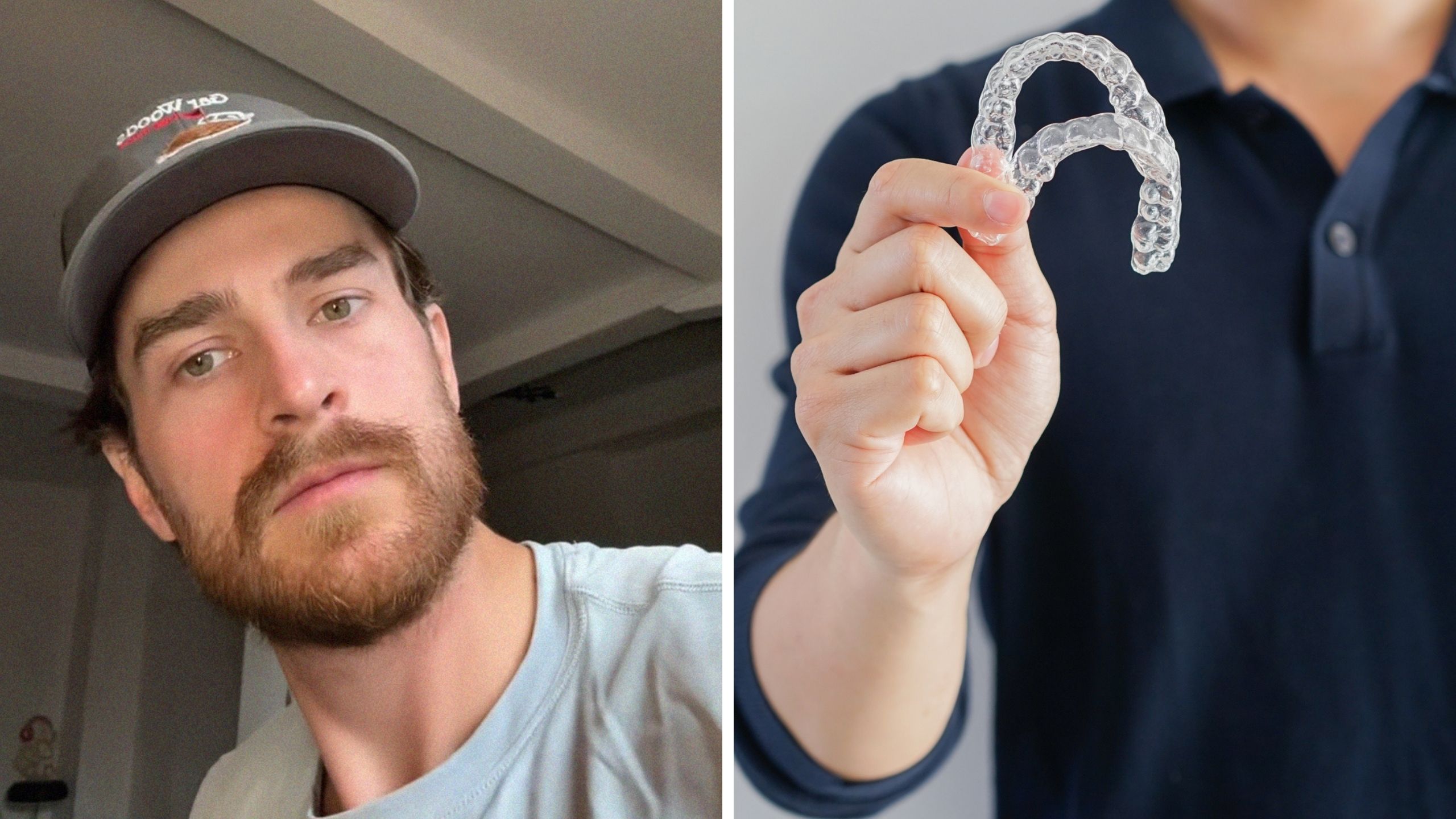
In a trending video with more than 171,000 views, Grant Paulsen (@grantpaulsen) sits despondently in an orthodontist chair, seemingly contemplating life and his decisions.
The text overlay on his slideshow reads, “My teeth moved right back 3 weeks after finishing my Invisalign, they just told me.”
The slideshow captures Paulsen’s visible disappointment as he processes the news.
After investing time and money into straightening his teeth with Invisalign, the revelation that his teeth have already shifted back to their original positions in less than a month is clearly devastating.
In an Instagram direct message, Paulsen shared that he had a permanent retainer put in, so his teeth “shouldn’t have moved at all.”
“I was still wearing my final tray every night as advised. We scanned for another retainer to be put in and it was supposed to arrive within the week. They had to modify my last tray to fit with the permanent retainer wire in my teeth,” Paulsen explained. “Within that week, where I had a permanent retainer and wore the final tray, everything had moved.”
“I want to say tho I don’t think it is my orthodontists fault. She has been super helpful and supportive throughout this process and without any additional charge is working with me to get my teeth back to where I want them to be. We are doing the final tray again with rubber bands- and doing a second round of permanent retainer.”
Why Do Teeth Move After Invisalign?
Teeth are prone to movement even after completing Invisalign treatment, according to Gentle Care Dental Surrey. Teeth naturally move over time, and without proper retention, they will gradually shift back to their original positions.
The dental practice explains that retainers are essential for maintaining the alignment achieved through Invisalign. Most orthodontists recommend wearing retainers full-time for the first few months after finishing treatment, then transitioning to nighttime wear.
The consequences of not following retainer protocols can be swift. Gentle Care Dental Surrey notes that some patients notice their teeth shifting in a matter of weeks if they don’t wear their retainer as recommended.
In some cases, patients who notice their teeth aren’t perfect after Invisalign may require minor adjustments or additional aligners to correct any shifts.
The dental practice emphasizes that while keeping a retainer at night may be inconvenient, it’s well worth it considering the cost and hassle of redoing Invisalign. Most patients choose to wear their retainers for their entire lives to prevent their teeth from moving.
Gentle Care Dental Surrey also notes that even patients who want to eventually reduce retainer usage should understand that teeth naturally shift due to age, daily activities, and other factors. This means that wearing a retainer periodically, ideally nightly, helps prevent misalignment over the long term.
How Much Does Invisalign Cost?
Invisalign costs can range from $1,800 to $9,500 per treatment course, depending on the complexity of the orthodontic problem, GoodRx reports.
The average cost for a teenager is $3,000, while full Invisalign treatment for adults averages about $5,700.
The full Invisalign treatment—also known as Invisalign Comprehensive—can cost anywhere from $3,500 to $9,500 and typically takes 12 to 18 months to complete.
For people with minor orthodontic problems, Invisalign Express costs about $1,800 to $3,000 and uses fewer aligner trays over a shorter treatment period of just a few months.
Even with dental insurance, out-of-pocket costs can be significant. Many dental insurance plans cover Invisalign similarly to traditional braces, but some classify clear aligner treatments as cosmetic procedures and don’t cover them at all. Other plans may only partially cover services, paying a percentage of the cost or a fixed dollar amount.
Several factors influence the final cost, according to GoodRx. More complex orthodontic issues require more Invisalign trays and longer treatment times, which increases costs. Additionally, if patients don’t wear their trays as recommended, they may need longer treatment or refinements with additional aligners, which can cost extra.
Commenters React
“You have to wear your retainer forever every night everyone knows that,” a top comment read.
“I got metal braces at 27 for a year. Y’all need to thug it out,” a person said.
“I got permanent retainer bar to prevent this from happening!” another wrote.
“My daughter had Invisalign and wears a retainer. Her teeth look incredible. It doesn’t matter if you have braces or Invisalign, you MUST wear your retainer every night for the rest of your life or your teeth will go straight back to the way they were. Retainers are not a suggestion,” a commenter shared.
BroBible reached out to Paulsen via Instagram and TikTok direct message. We’ll be sure to update this if he responds.