


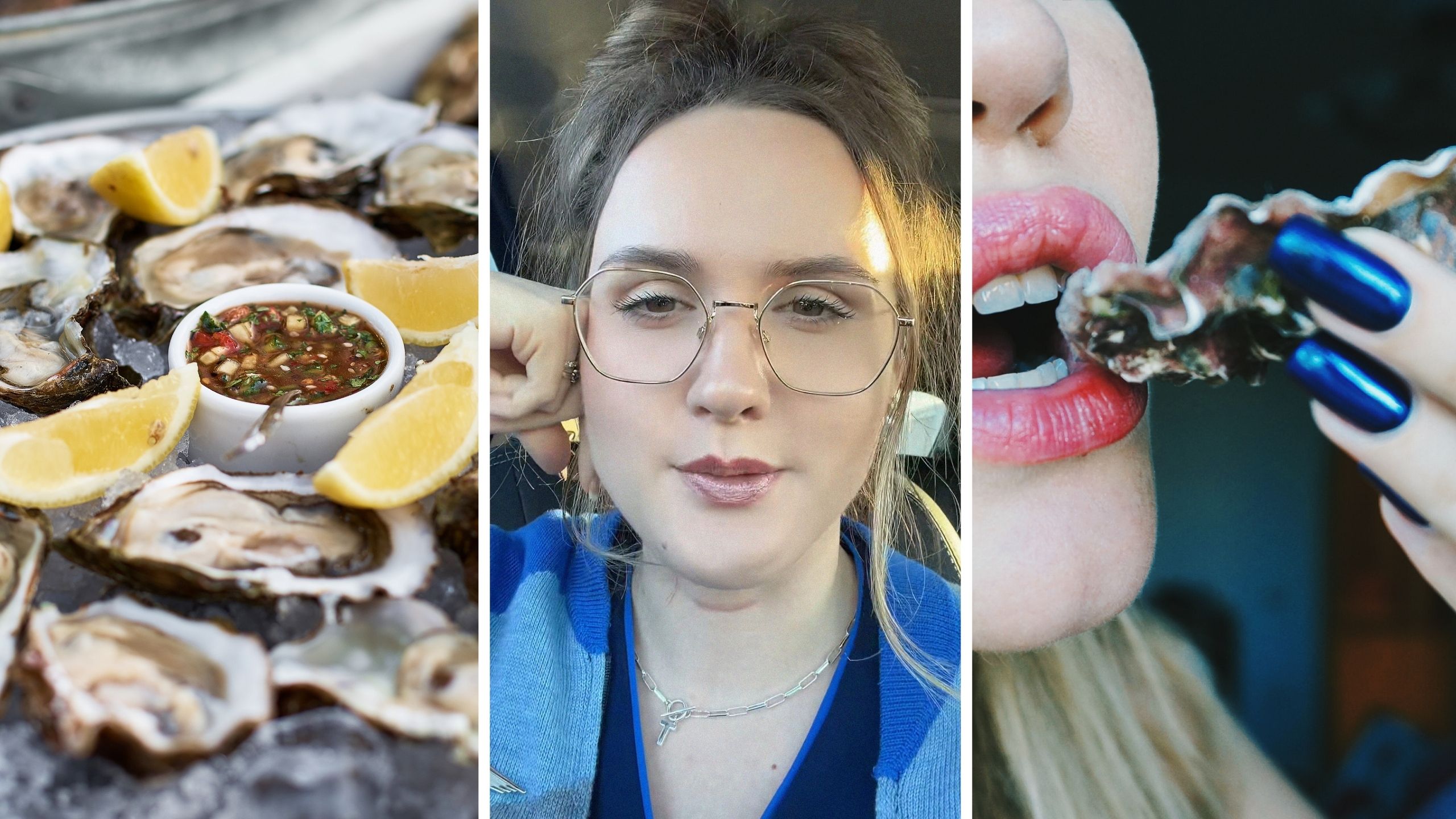
Raw oysters are considered a delicacy—briny, buttery, and best served ice-cold with a squeeze of lemon and hot sauce. Others think the texture gives mucus.
One woman started off as an oyster lover but now refuses to touch the stuff after a three-week medical nightmare nearly killed her. Her story serves as a stark reminder that sometimes, the most delicious foods come with hidden dangers you can’t see, smell, or taste.
Raw Oyster Treat Ends In Hospitalization
In a trending video with more than 40,000 views, Taylor (@elegancebythemile) shared the horrifying story of how her love affair with raw oysters came to a traumatic end.
It all started eight years ago on a trip to New Orleans with friends. An oyster vendor prepared Taylor’s first-ever raw oyster, adding Tabasco and all the toppings.
“I had it. I was like, ‘Oh my god, why haven’t I been eating these? They’re so good,'” she recalls in the video.
From that moment, Taylor was obsessed. Raw oysters became a must-order whenever they appeared on a menu. She wasn’t a fan of cooked oysters, but the raw ones? “They are so good,” she says.
On a recent Florida vacation, Taylor and her friends ordered raw oysters on their last night in Florida.
“Dare I say, they were like the best oysters I’ve ever had,” she says. “So at least I went out with a bang.”
But a couple of days after flying home to New Jersey, things took a dark turn. Taylor started feeling off—not just stomach pain, but what she describes as “malaise,” a foreboding sense that something was terribly wrong.
Taylor, who has ulcerative colitis, says she was going to the bathroom around 30 times per day.
“I’m not joking. Thirty times per day. It was insane,” she says.
At first, she thought maybe it was related to a tattoo she’d gotten the same day as eating the oysters. Her mom suggested the oysters might be to blame. But Taylor brushed it off. Surely it would pass.
It didn’t. A week went by with no improvement.
“The amount of pain that I was feeling in my stomach and in my intestines? Unmatched,” she explains. “It’s like the worst pain I’ve ever felt in my life. I would be on the toilet sobbing.”
She couldn’t eat. She couldn’t even drink water without immediately running to the bathroom. Finally, she went to the emergency room.
The Diagnosis
After a CT scan showed her entire digestive system was inflamed, doctors initially suggested it was just her ulcerative colitis. But her gastroenterologist ran tests, and the results came back: vibrio.
“Vibrio is very, very, extremely serious,” Taylor emphasizes. “You can die from it, like easily. You can lose limbs.”
The antibiotics made things worse before they got better, adding vomiting to her already brutal symptoms. All told, Taylor was sick for three weeks and lost 15 to 20 pounds.
“I was skin and bones because I could not eat anything. I couldn’t keep anything down, and I was dehydrated.”
By her follow-up appointment, she was trembling from dehydration and nutrient deprivation, with sky-high blood pressure.
Taylor did eventually recover, but she’s done with raw oysters for good.
“Once you’ve had that experience? Oh my god. Even losing the weight—people hear this story. They’re like, ‘Wait, you lost 15 pounds?’ I’m like, ‘No, trust me, it was not worth the pain that I suffered. It was horrific.'”
In the caption, she said the following, “Just saw a vid of a girl ordering 80 oysters. She’s playing Russian roulette fr!! Couldn’t be me, but y’all stay safe out there.”
What Is Vibrio?
Vibrio is a type of bacteria naturally found in warm, salty coastal waters. According to the Centers for Disease Control, there are more than 20 species of Vibrio that can cause the illness vibriosis, with about 80,000 cases reported in the U.S. each year.
Most people get vibrio from eating raw or undercooked shellfish, especially oysters. The bacteria thrives in warm, brackish water where rivers meet the ocean, and oysters are filter feeders that concentrate whatever’s in the water, including vibrio. You can also get it from seawater entering an open wound.
How Serious Can Vibrio Get?
According to Cleveland Clinic, Vibrio vulnificus is particularly deadly. About one in five people with this infection die, sometimes within a day or two of becoming ill. Many require intensive care or limb amputations.
Symptoms come on suddenly—usually within 24 hours—and include fever, chills, watery diarrhea, vomiting, and, in severe cases, dangerously low blood pressure and large, painful blisters. The bacteria can spread quickly from the intestines to the bloodstream and other organs.
People with certain conditions are at higher risk for severe infections, including those with liver disease (like cirrhosis), diabetes, kidney failure, weakened immune systems, and inflammatory bowel diseases like Taylor’s ulcerative colitis.
The CDC emphasizes that early antibiotic treatment is critical and can be lifesaving. For severe cases, treatment may include IV antibiotics, wound debridement, and sometimes amputation of affected limbs.
Both sources stress that cooking oysters kills Vibrio bacteria. If you do eat raw oysters, the safest times are during colder months when water temperatures are lower. People with underlying health conditions should avoid raw shellfish entirely.
@elegancebythemile Just saw a vid of a girl ordering 80 oysters. She’s playing Russian roulette fr!! Couldn’t be me but y’all stay safe out there 🦪 #oysters #vibrio #foodpoisoning #ulcerativecolitis #uc
Commenters React
“I had vibrio from a peel and eat shrimp situation a few weeks ago. I thought my soul left my body at multiple points,” a top comment read.
Another said, “I guess the lesson is if you do eat raw oysters (or any kind of shell fish) and get sick, don’t wait to go to the ER.”
“Raw oysters are like swallowing snot rockets, I do not understand the appeal,” another wrote.
BroBible reached out to Taylor for comment via email and TikTok direct message.