


Getty Image / iStockPhoto
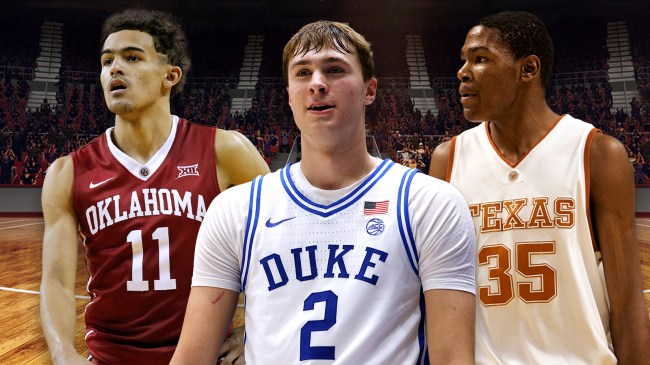
The start of the 2024 college basketball season marked the arrival of the latest player to earn the “Generational Talent” label in the form of Cooper Flagg, who is expected to be a force to be reckoned with during his freshman year.
Getty Image / iStockPhoto
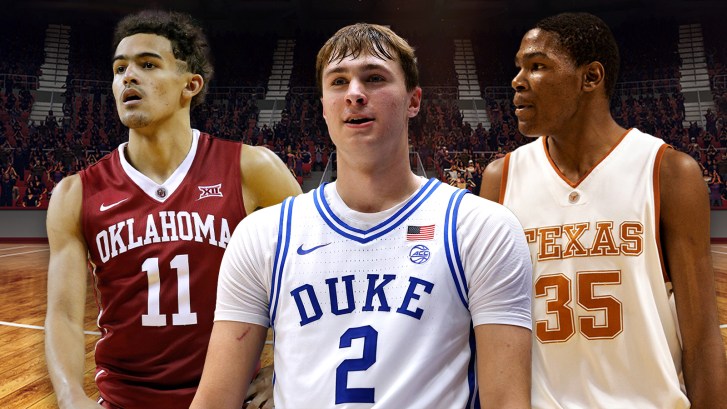
Only time will tell what the future holds for Cooper Flagg just a week into his first season as a member of the Duke Blue Devils, but there are more than a few people who think he has what it takes to turn the basketball world on its head with a freshman campaign that could set the standard for newcomers going forward.
However, he faces some pretty stiff competition thanks to some other college basketball players who didn’t waste any time announcing their arrival.
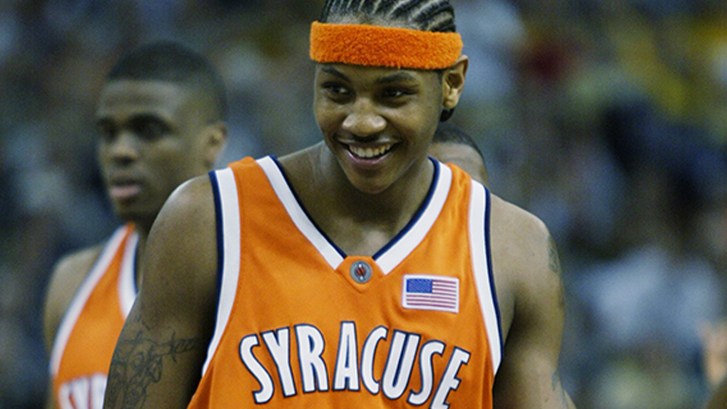
Carmelo Anthony-Syracuse
Getty Image
Averaged 22. 2 points and 10 rebounds per game during the 2002-3 season
Carmelo Anthony only spent a single season at Syracuse, but he definitely made it count.
He led the team in scoring and also led the Orange to a national championship while securing Most Oustanding Player honors in the NCAA Tournament after posting 33 points against Texas in the Final Four before putting up 20 points and 10 rebounds to beat Kansas to win the title.
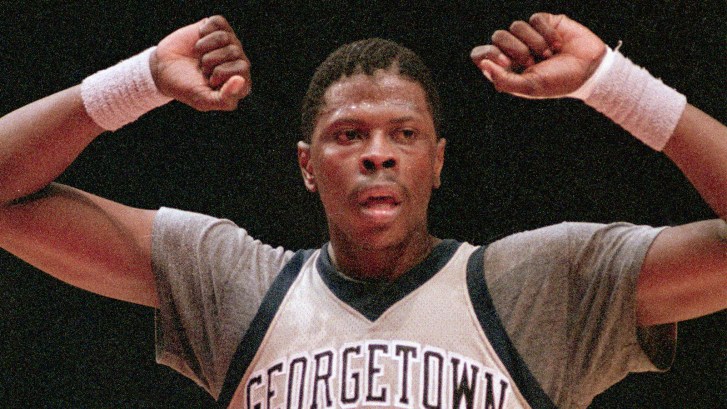
Patrick Ewing—Georgetown
Getty Image
Averaged 12.7 points, 7.5 rebounds, and 32. blocks per game during the 1981-82 season
NCAA rules prohibited freshmen from playing college basketball until the start of the 1972 season, and there weren’t many guys who’d actually done so when Patrick Ewing arrived at Georgetown in 1981.
His stats might not be as eye-popping as some of the other players on this list, but it’s pretty hard to overstate the fear the seven-footer managed to strike into the hearts of opponents on the defensive side of the ball.
Ewing would only continue to improve during his four seasons with the Hoyas, and his first one (which ended when a UNC team featuring Michael Jordan eked out a win over Georgetown in the national championship) is nothing to scoff at.
Kevin Durant
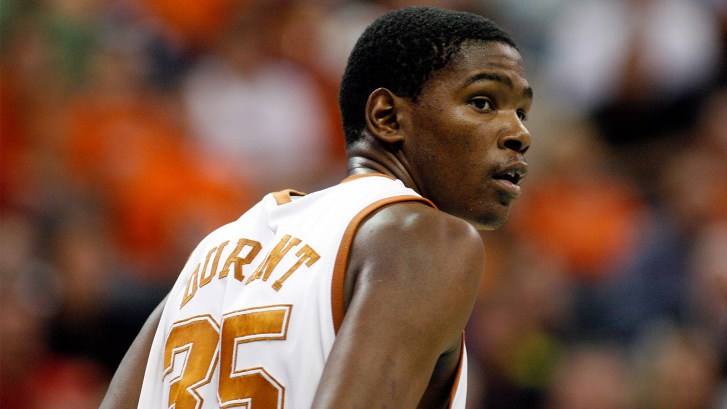
Getty Image
Averaged 25.8 points, 11.1 rebounds, and 1.9 blocks per game during the 2006-07 season
Kevin Durant probably would have made the leap straight from high school to the NBA if the league hadn’t tweaked the eligibility rules that led to him enrolling at Texas in 2006.
As was the case with Melo, KD shined as a one-and-done prospect who racked up basically every major individual award out there due to his stellar play. The Longhorns were upset by USC in the second round of the NCAA Tournament, but there’s a reason Durant was selected with the second overall pick in the 2007 NBA Draft behind…
Greg Oden—Ohio State
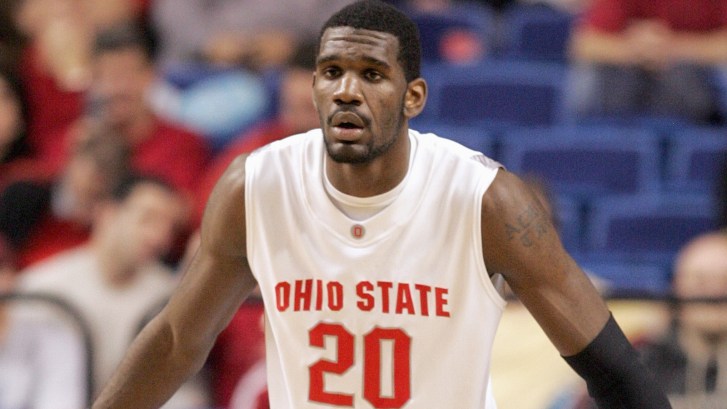
Getty Image
Averaged 15.7 points, 9.6 rebounds, 3.3 blocks per game during the 2006-07 season
Greg Oden ended up being one of the more notable NBA Draft busts in history thanks to the injuries that derailed his career, but there is a reason he was selected with the first overall pick.
This is another Ewing situation, as Oden could more than hold his own on the offensive side of the ball but was particularly impactful due to his ability to stop players from trying to score in the paint (there’s a reason he won National Defensive Player of the Year honors).
Chris Jackson—LSU
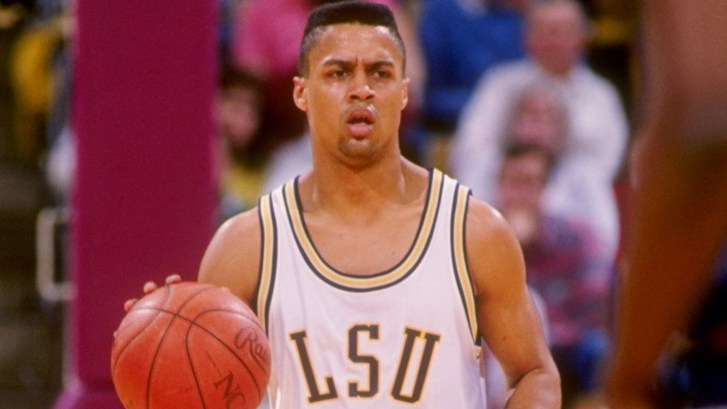
Getty Image / Allsport
Averaged 30.2 points, 3.4 rebounds, 4.1 assists, and 1.7 steals per game during the 1988-89 season
Chris Jackson (who changed his name to Mahmoud Abdul-Rauf a few years into his NBA career) only spent two years at LSU before taking his talents to the pros, and it’s easy to understand why he didn’t stick around any longer than he had to based on what he achieved with the Tigers.
He actually took a step backward during a sophomore campaign where he “only averaged” 27.8 points per game, and while he never came close to those totals during the nine seasons he spent in the NBA, he still carved out a spot for himself as a very solid contributor.
Michael Beasley—Kansas State
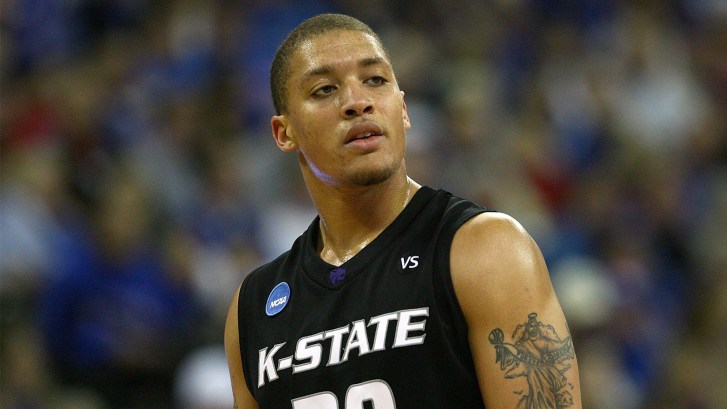
Averaged 26.2 points and 12.4 rebounds during the 2007-08 season
Durant set a Big 12 points record that stood for a single year before Michael Beasley topped him during a freshman season at Kansas State where he recorded a staggering 28 double-doubles and led the country in rebounding.
As was the case with KD, he left for the NBA after a freshman season that ended with disappointment in the NCAA Tournament, but unlike KD, he never achieved superstar status and failed to repeat his success in college at the next level.
Trae Young—Oklahoma
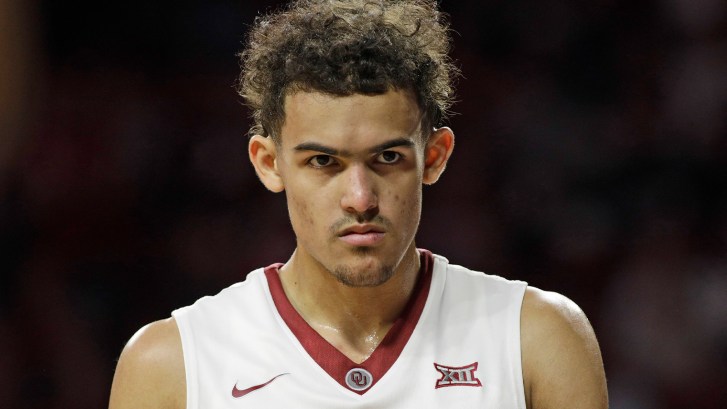
Getty Image
Averaged 27.4 points 3.9 rebounds, 8.7 assists, and 1.7 steals per game during the 2017-18 season
Beasley’s Big 12 points record stood for a bit longer than Durant’s, but it was once again surpassed thanks to the show Trae Young put on after kicking off his one-and-done season at Oklahoma in 2017.
Young led the nation in points and assists that year, but it came to an underwhelming end when the Sooners fell to URI in the first round of March Madness.
Zion Williamson—Duke
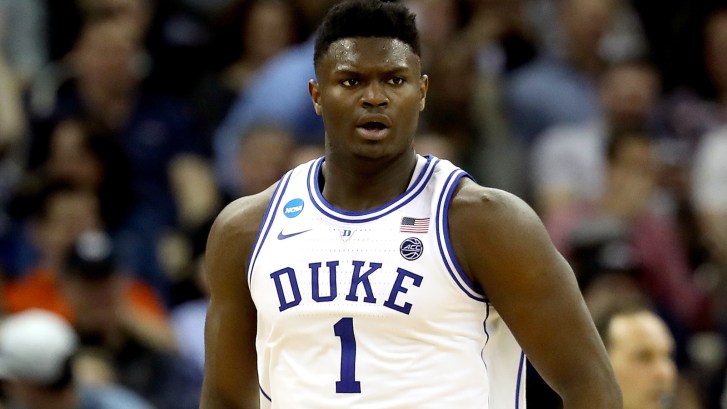
Getty Image
Averaged 22.6 points, 8.9 rebounds, 2.1 steals, and 1.8 blocks per game during the 2018-19 season
I can’t make a list inspired by a potential generational freshman at Duke without mentioning Zion Williamson, who had the same reputation ahead of his debut in 2018.
He did a pretty good job living up to those expectations, as he was one of the most electric players in the country to the point where CBS had a dedicated “Zion Cam” that was trained on him during an NCAA Tournament run that came to an end in the Elite Eight.
Anthony Davis—Kentucky
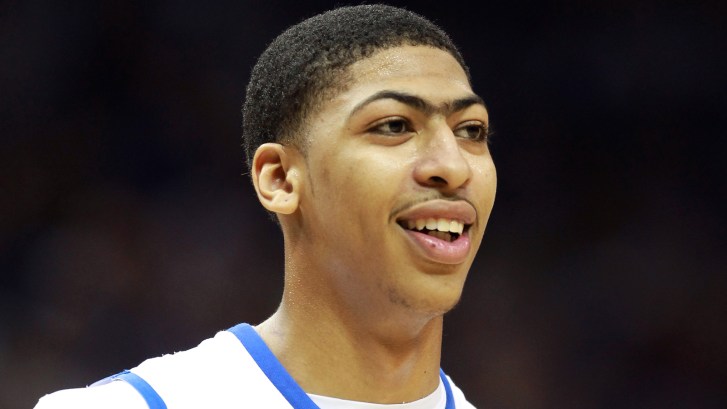
Getty Image
Averaged 14.2 points, 10.4 rebounds, and 1.4 steals, and 4.7 blocks per game during the 2011-12 season
Opponents had good reason to “Fear The Brow” after Anthony Davis arrived at Kentucky, as he essentially mirrored the impressive stats he put up during the regular season during a March Madness run that ended with Kentucky winning a national championship.
Davis also racked up basically every major individual award in the wake of the win and was subsequently scooped up by New Orleans with the first overall pick in the 2012 NBA Draft.
Shaquille O'Neal—LSU
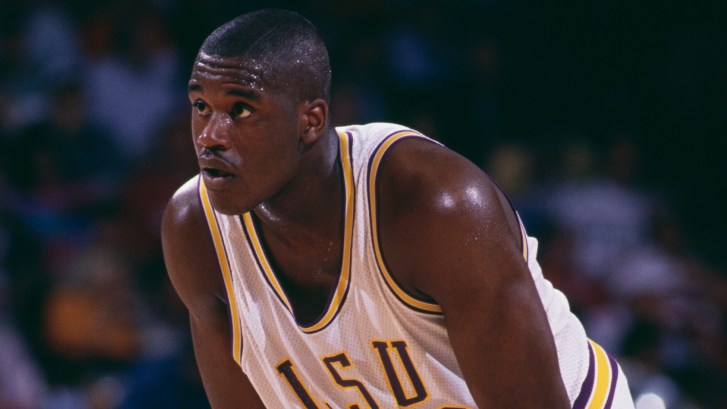
Getty Image
Averaged 13.9 points, 12 rebounds, and 3.6 blocks per game during the 1989-90 season
Shaq was a pretty well-rounded player during his freshman year on the same LSU team as Chris Jackson (he was the first first-year player in NCAA history to record two triple-doubles).
He was still developing the skills that helped him become one of the most legendary big men of all time, but this was our first real glimpse at the strength and agility that made it clear he had a very promising future ahead of him.
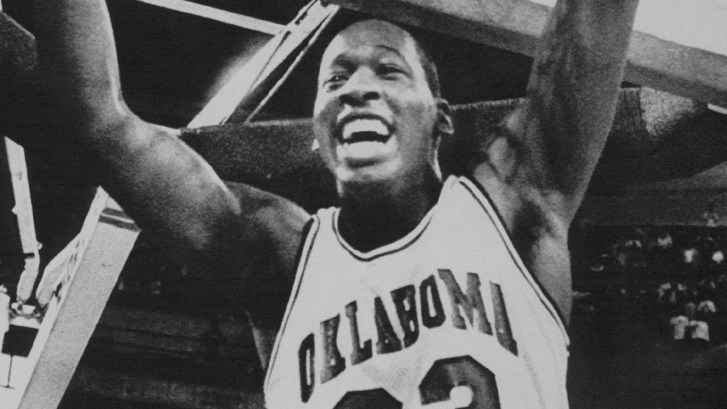
Wayman Tisdale—Oklahoma
Getty Image
Averaged 24.5 points, 10.3 rebounds, and 2.4 blocks per game during the 1982-83 season
This is somewhat ancient history (as you can probably surmise from the black-and-white photo), but this list wouldn’t be complete without mentioning the coming out party Wayman Tisdale had after kicking off his college career at Oklahoma.
The three-time All-American was equally impressive during his sophomore and junior seasons, and he also left college with the gold medal he won while playing for Team USA under Bob Knight at the 1984 Summer Olympics.
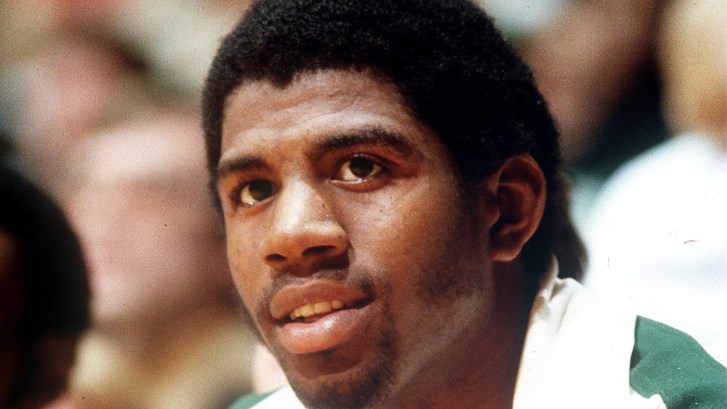
Magic Johnson—Michigan State
Getty Image
Averaged 17 points, 7.9 rebounds, and 7.4 assists during the 1977-78 season
Magic Johnson really burst onto the scene during a sophomore season that essentially spawned his long-running rivalry with Larry Bird when Michigan State and Indiana State met in the national championship game, but the stat line he put up his freshman year was just a preview of the legendary career that followed.
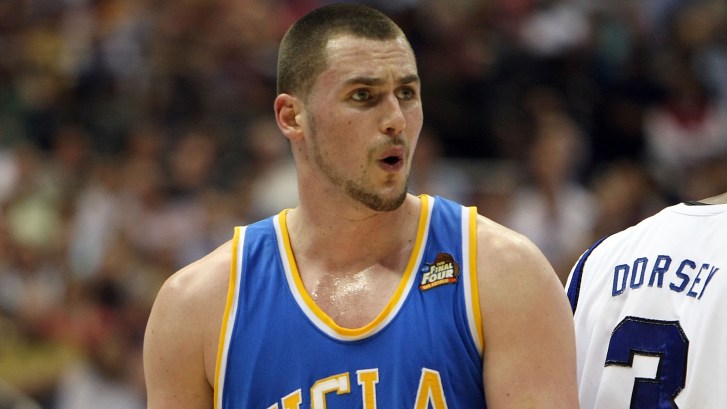
Kevin Love—UCLA
Getty Image
Averaged 17.5 points, 10.6 rebounds, and 1.4 blocks per game during the 2007-08 season
Kevin Love posted 23 double-doubles during his freshman year with a UCLA team that usually relied on more experienced players to get the job done, and he was the most important contributor in their run to the Final Four during a one-and-done showing where he earned first-team All-American and Pac-10 Player of the Year honors.