



USA TODAY Network via Reuters Connect
Arizona is home to more than 100 lakes and reservoirs that allow people who live in the arid state the chance to get their aquatic fix. However, one of its biggest ones has been closed after a confluence of events led to the death of all of the fish that called it home.
King of the Hill once described Phoenix as “a monument to man’s arrogance,” and that phrase could be used to describe a sizable chunk of the cities and towns in Arizona thanks to the state’s infamously inhospitable environment.
Arizona is known for boasting a scorching climate that makes you beg for a sweet release during the hottest months of the year, and while it may be landlocked, there are plenty of bodies of water you can flock to if you’re looking for a way to cool off that doesn’t revolve around air conditioning.
That includes San Carlos Lake, which is located around a two-and-a-half-hour drive from both Phoenix and Tucson. It’s a popular destination for boating, fishing, and other forms of water-based recreation, but it is off limits to the public for the foreseeable future after every fish inside it perished.
Drought conditions and dam water sparked a fish apocalypse that forced Arizona’s San Carlos Lake to close
San Carlos Lake is technically a reservoir that formed after the Coolidge Dam was constructed in 1930. It sits on the San Carlos Apache Indian Reservation and features 158 miles of shoreline that surround an expanse that spans approximately 19,500 acres.
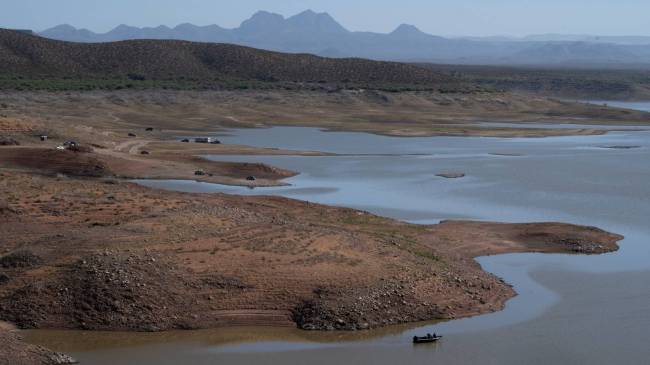
The depth of the lake varies due to drought and irrigation demands; it has only been “full” three times since its formation nearly a decade ago, and there have been close to two dozen occasions where it has almost run dry.
That has been the case in 2026, as it has gotten increasingly shallow since hitting its highest depth of the year toward the end of April.
According to a statement that the Recreation and Wildlife Department for the area released last Friday, those conditions and “water releases from the dam” created a perfect storm that resulted in what it described as a “significant fish kill event,” which is a bit of an understatement when you consider the event in question killed “approximately 100% of the fish population.”
According to AZ Family, the lake is typically home to self-sustaining populations of species, including largemouth bass, black crappie, and bluegill, in addition to rainbow and brown trout that are stocked each year. However, the rotting carcasses of those fish have made the lake unsafe for the public, which has led to it being closed until further notice.