


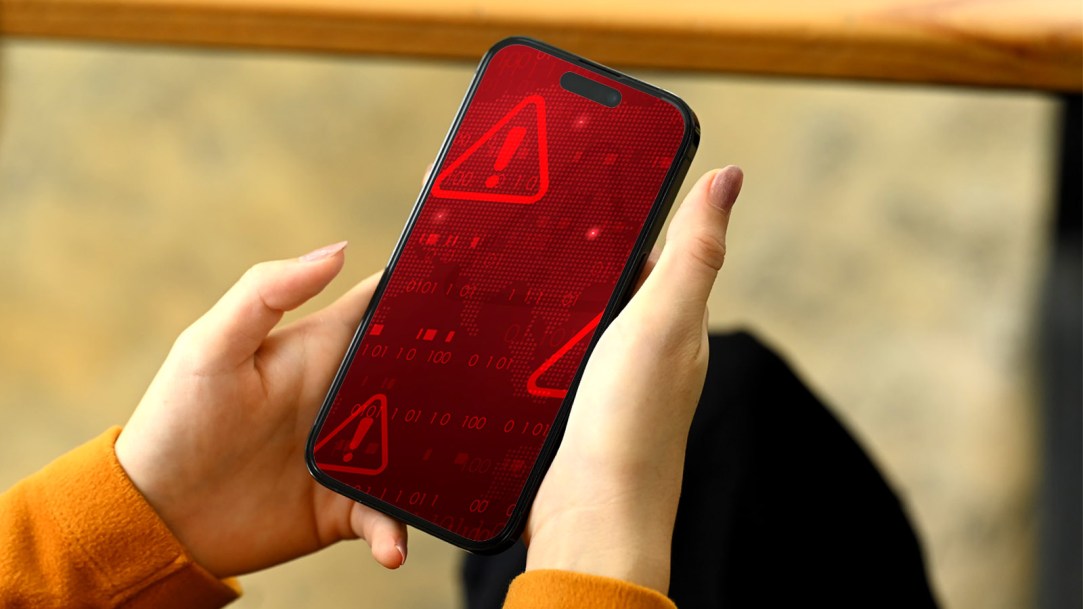
A new social engineering scam targeting millions of iPhone users is surging across the United States and Europe. Here’s what to look out for.
“Scammers are sending fake ‘Apple Pay fraud alerts’ to trick victims into calling criminals,” Consumer Affairs has warned. They also warn that if you own an iPhone and haven’t been targeted by this Apple Pay scam, “You probably will be.”
Fraudsters are sending phony Apple Pay text alerts that claim there is an issue with an account, such as a declined or suspicious payment. They can also claim that Apple has locked the account or is investigating it. These phony fraud alerts appear official and seem to come from Apple.
Scammers pressure victims to act immediately and frequently instruct them to transfer funds to a “safe” account. The message includes a customer service phone number or link, but it leads to the con artist posing as a support agent or an official investigator.
The scammer often may already know personal details about the iPhone user. Because of this, scammers have, in some instances, coerced victims into sending large sums of money, even thousands of dollars.
Since the iPhone user literally authorized the payment, recovering the funds is often very difficult.
There are several red flags to watch out for
“Many times, scams operate with a similar set of goals,” Consumer Affairs explained. “Make the victim panic and then offer a way to help. That tactic has been adopted by criminals operating the Apple Pay scam, which is spreading quickly across the U.S.”
They also shared several warning signs to watch out for, including unexpected messages about Apple Pay activity; requests to call a number in a text or email; pressure to act immediately, requests for codes, passwords, or personal information; and instructions to move money or lie to your bank.
Should you receive a message claiming to be from Apple that seems suspicious, Consumer Affairs suggests checking your Apple Pay activity directly on your device or contacting your bank or Apple via official channels before clicking links or calling the number.