


Eric Bolte-Imagn Images
There are sixteen different sports on the menu at the 2026 Winter Olympics in Milano Cortina. Some of them have a history that’s pretty straightforward, but there are more than a few that make you wonder why they exist in the first place.
Here is how the most unconventional event at the Winter Olympics came into existence in the first place
The Winter Olympics boasts sports like speed skating, cross-country skiing, and a slew of events on the slopes and the ice that don’t really require much explanation; disciplines where you’re trying to use traditional winter gear to get from one place to another as quickly as possible or flex your ability to pull off some impressive moves.
However, there are some others that make plenty of casual viewers ask themselves “Why is this thing a thing?” If you’ve found yourself in that position, you’ve come to the right place.
Biathlon
Danielle Parhizkaran-Imagn Images
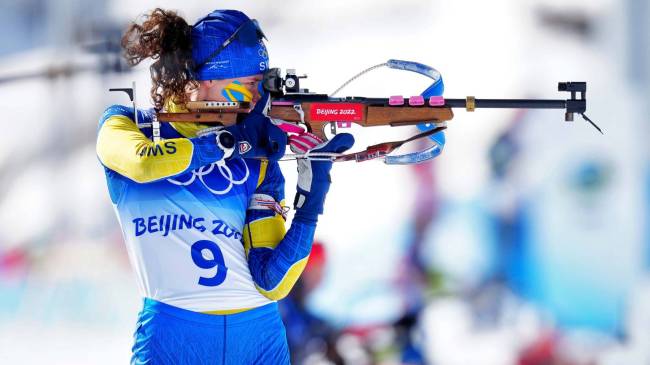
There are more than a dozen Winter Olympics events that involve skiing, but biathlon is the only one where someone said, “What if we added guns?”
This one can trace its origins back to Scandinavia, where the Norse god Ullr was associated with both skiing and hunting. The Norwegians get credit for coming up with the modern biathlon, as the country was home to a number of ski clubs that doubled as training centers for the military in the 19th century.
What was initially referred to as “military patrol” debuted at the first-ever Winter Olympics in 1924, and it returned as a demonstration sport before being permanently added to the fold as the “biathlon” in Squaw Valley in 1960.
Curling
Andrew P. Scott-Imagn Images
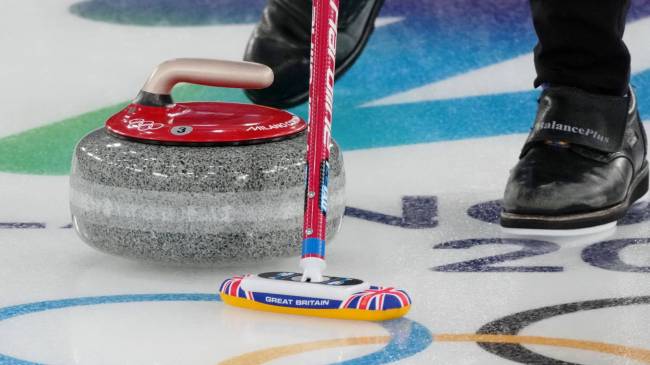
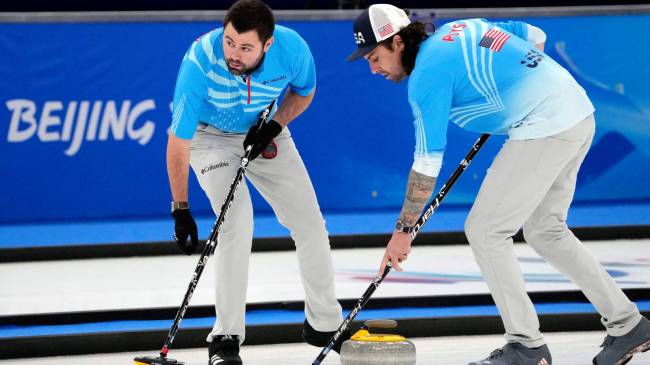
There probably isn’t a more head-scratching sport at the Winter Olympics than curling, as I highly doubt many people could even attempt to come up with a plausible story if they were asked to explain why there’s a discipline that involves heavy rocks sliding across ice as competitors frantically sweep the surface with brooms.
Curling has a pretty rich history stretching back to the 1500s, which is when people in Europe started playing what was essentially an ice-based version of shuffleboard using rocks sourced from near the frozen areas where it was played (brooms were eventually added to the equation after people realized they could help influence the path of the stones).
It was particularly popular in Scotland (which is where the name was coined in the 1600s), and emigrants from the country were largely responsible for boosting its profile around the world—especially in Canada, which subsequently emerged as a bit of a powerhouse at the Winter Olympics.
Curling was also introduced in 1924 but disappeared from the competition after returning four years later. However, it has remained a staple since being resurrected as a demonstration sport in 1988 before becoming a permanent fixture a decade later.
Bobsleigh

Andrew P. Scott-Imagn Images
The next few entries on this list can all be largely credited to one man: Caspar Badrutt, the Swiss businessman who transformed his hotel in St. Moritz into a winter destination for Europeans after he became determined to supplement the income he earned during the summer during what had previously been a dead season in the resort town known for its mineral spas.
Some English visitors started harnessing sleds that were mostly used for deliveries to slide through the streets of the city, which were eventually modified to allow them to steer. A spate of collisions with unsuspecting pedestrians led to him building a dedicated sled run in Cresta that opened in 1884.
What was essentially a natural ice slide became the first dedicated bobsleigh (a.k.a. bobsled) run in the world, and the sport increased in popularity to the point where it debuted at the first Winter Olympics in 1924.
Luge
Annegret Hilse/Reuters via Imagn Images
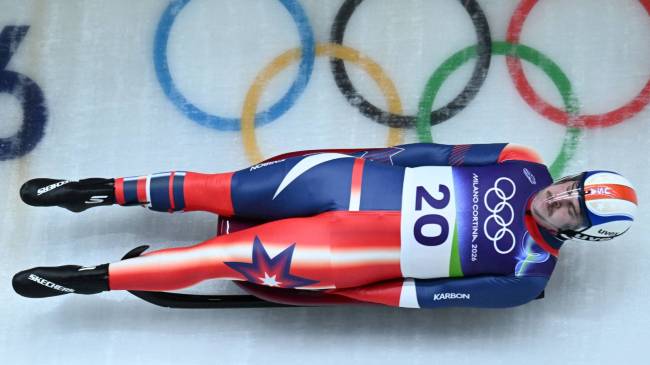
Luge was a slightly more straightforward version of the bobsleigh, as you didn’t need a team of people to partake in a sport where you hop on a sled and do your thing by yourself.
The first-ever luge competition was organized nine years after the aforementioned track opened in St. Moritz, but it wasn’t added to the Olympics in 1964.
Skeleton
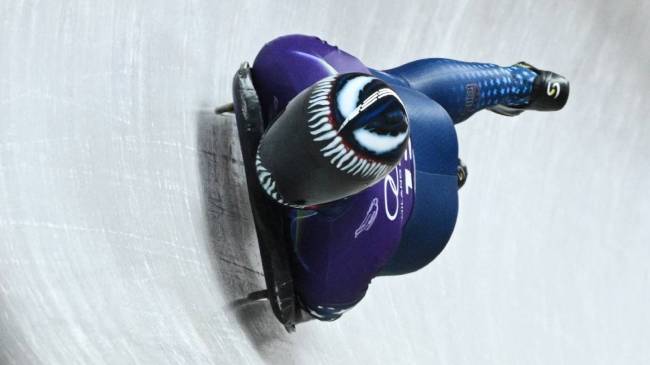
Annegret Hilse-Reuters via Imagn Images
Skeleton actually predates the construction of the Cresta Run by a few years, as some English soldiers were responsible for building a curvy track around 20 miles away from St. Moritz in 1882.
It’s not entirely clear why they decided to start sledding headfirst, but it seems safe to assume people in that line of work were more predisposed to danger and opted to switch things up to increase the adrenaline rush. If you’re curious, the term “skeleton” does not refer to the bones you’re just asking to break but rather the ribs on the sleds that were used during the early days of the sport.
Skeleton debuted at the Winter Olympics in 1928 but did not return until 1948, which marked the start of a hiatus that spanned more than 50 years before it became a permanent fixture in 2002.