



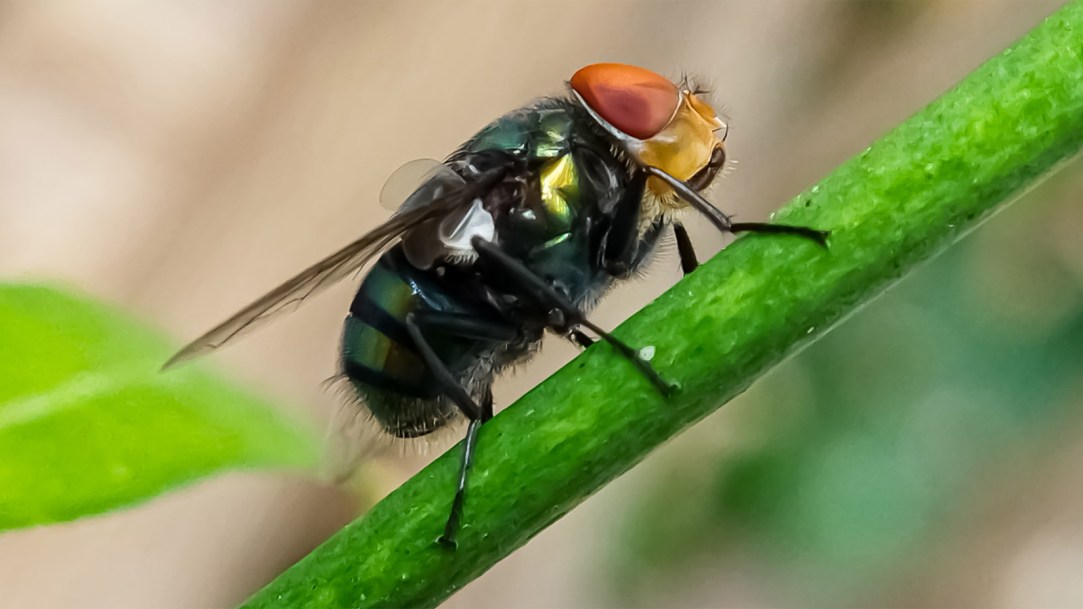
A flesh-eating parasite infecting livestock in Texas and New Mexico is reportedly killing people now and has infected more than 500 people.
This past May, experts detected the flesh-eating parasite known as Cochliomyia hominivorax, or the New World Screwworm (NWS), near the United States border. New World Screwworm flies deposit their eggs in the mouths, noses, ears, eyes, and wounds of animals. Therefore, it has the potential to completely destroy the cattle and livestock sector if it enters the United States.
The flies used to be found all over the southern United States, but they were eradicated in the 1950s. Now, however, according to a July surveillance report from Mexico’s Ministry of Health, there have been over 500 human cases reported in 2025 and 2026 as Mexico and countries in Central America have been experiencing an outbreak.
This week, a study published in the journal Emerging Infectious Diseases examined data 202 confirmed cases reported between April 2025 and March 2026 and found that the infestation rate rose from around three cases per week in 2025 to more than none cases per week in 2026.
In 55% of infections, maggots were detected on people’s lower limbs, and 72% of cases involved men. In other instances, the head and neck, including the nose, mouth, and eyes, were infected.
One death was directly linked to the screwworm, while five more died following the infestation. 77% of the 204 cases had at least one underlying medical condition, and the average age was almost 61.
“The reemergence of NWS in Mexico and the resulting human NWS myiasis cases represent an event of public and animal health importance,” the study’s authors wrote. “The initial concentration of reported human cases in southern Mexico, predominance among adult men, frequent reporting of lower limb involvement, and high proportion of patients with concurrent conditions support strengthened clinical detection, timely reporting, and integrated One Health surveillance. Earlier diagnosis and treatment could help prevent progressive tissue destruction, secondary bacterial infection, and functional impairment.”
Human health officials will have to work with animal health officials
“Because animal and human cases reflect northward spread of the NWS fly and that spread is expected to continue, surveillance, diagnostic preparedness, animal movement controls, and fly-suppression activities should be implemented proactively at the leading edge of expansion, rather than only after human cases are detected,” the authors continued. “Coordination between human health, animal health, wildlife, and agricultural sectors will be essential to guide prevention and control measures.”
The U.S. Department of Agriculture (USDA) and U.S. Customs and Border Protection recently signed an agreement allowing the USDA to use CBP drones to find infected animals. AI technology enables the drones to identify which animals may be infected. Researchers also released more than 700 million sterile flies coated with a non-toxic dye, so they glow under UV light for easy detection, in areas infested with New World Screwworm. Female flies only mate once in their lifetime, and any eggs they lay will therefore be unfertilized and will not hatch.
As of August 7, the U.S. Centers for Disease Control and Prevention (CDC) says there have been no reports of NWS cases acquired in the U.S. in humans. However, there have been 37 domestically acquired animal cases of NWS in the U.S. and Central American countries and Mexico have reported more than 209,400 NWS cases in animals and 2,440 cases in people.
The CDC says the best ways to protect yourself from a New World Screwworm infestation are to keep open wounds clean and covered, no matter how small or location on the body; wear loose-fitting, long-sleeved shirts and pants, hats, and socks to limit exposed skin; use an EPA-registered insect repellent to prevent insect bites; treat clothing and gear with products containing 0.5% permethrin; and to sleep indoors or in rooms with screens.