
iStockphoto
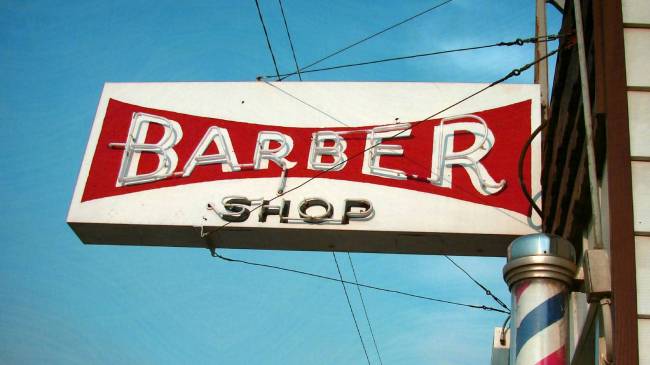
It’s been close to a century since Americans had to rely on the speakeasies that popped up during Prohibition. However, there are many modern bars that draw inspiration from those illegal joints, including a barber shop-themed drinking establishment in Nebraska that’s being sued by the state’s Board of Barbers over its allegedly illegal nature.
On January 17, 1920, the United States officially kicked off Prohibition in the wake of the ratification of the 18th Amendment, which banned the “manufacture, sale, or transportation of intoxicating liquor.” It was not, however, illegal to consume alcohol during that period, and there were many enterprising parties that catered to people who weren’t going to let a pesky law prevent them from getting their drink on.
The secretive natures of the speakeasies that allowed them to do so outside of their own homes means it’s impossible to know just how many of those illicit watering holes popped up during Prohibition, but it’s believed there were tens of thousands of them operating in New York City alone.
There was no longer any need to tuck a bar in a secret room after the 21st Amendment ended Prohibition in 1933, but there are plenty of modern businesses that have attempted to capitalize on the mystique by going the same route. That includes one spot in Omaha, Nebraska that masquerades as a barber shop, which has found itself engaged in a legal battle with people who are actually in that particular line of work.
A barber shop-themed speakeasy in Nebraska temporarily changed its name as it butts heads with actual barbers in court
Modern speakeasies are fully licensed establishments that capture the spirit of their predecessors with fake storefronts that frequently boast a hidden door where you may or may not need to utter a password to gain access to the bar behind it.
I’ve personally been to ones masquerading as a bookstore, an ice cream parlor, and one hidden behind a phone booth in an operating hot dog joint, and if you head to Omaha, Nebraska, you can take advantage of a spot that would lead you to believe it’s a barber shop at first glance.
According to The New York Times, what has been known as “Barber Shop Blackstone” since opening last year, is a saloon hidden behind a salon that was founded by Mike DiGiacomo and his siblings, who wanted to pay tribute to their late father, a cosmetologist who was known as “Don the Barber.”
However, the bar is currently known as Censored Shop Blackstone due to the temporary rebranding that stems from its ongoing fight with Nebraska’s Board of Barber Examiners, which asserts the bar is illegally harnessing the ” barber shop title, barber poles, and images of barber poles” it says are protected by trademark.
The board informed them of those “violations of the Barber Act” in a letter where they warned they “carry both civil and criminal consequences,” and the two sides are currently engaged in a lawsuit that was filed earlier this year, where the bar is arguing it has a First Amendment right to have a barber shop theme.
There are at least two other similar speakeasies in the United States in the form of Chicago’s Blind Barber and The Barbershop Cuts & Cocktails inside the Cosmopolitan in Las Vegas. However, they are both hidden behind a licensed and functional barber shop, which has seemingly made them immune to similar action.