


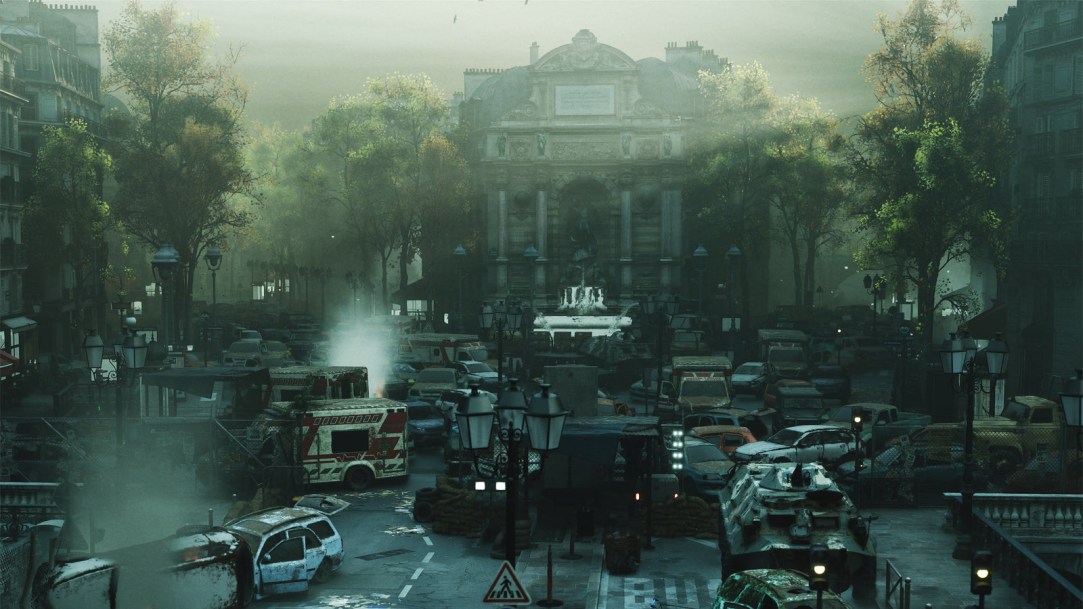
A scientific study published in 1960 predicted that the world would end on November 13, 2026. That date, which also happens to be Friday the 13th, is now less than two weeks away.
University of Illinois physicist Heinz von Foerster and two colleagues, Patricia M. Mora and Lawrence W. Amiot, made the prediction in a paper published in the scientific journal Science on November 4, 1960. The study was titled Doomsday: Friday, 13 November, A.D. 2026.
Unlike the numerous end-of-the-world predictions involving asteroids, aliens, nuclear war and biblical prophecies, this one was based on mathematics and the rapidly growing human population.
Scientists Predicted Overpopulation Would End The World In 2026
In the study, recently brought to the internet’s attention by the New York Post, Von Foerster and his University of Illinois colleagues analyzed 24 estimates of the world’s population spanning approximately 2,000 years.
Using a mathematical model based on historical population growth, the researchers calculated that the number of humans on Earth “will approach infinity” on Friday, November 13, 2026.
Their theory was that humans, unlike other species, would continue increasing their population because greater numbers allowed for more cooperation, innovation and technological advances. Eventually, however, the population would become unsustainable.
This was what they thought in 1960.
“Our great-great-grandchildren will not starve to death,” the researchers wrote. “They will be squeezed to death.”
The study received considerable attention, including criticism from other scientists who questioned its assumptions. However, despite that criticism, the prediction remained influential for decades because its calculations closely matched actual population growth throughout much of the 1970s and 1980s.
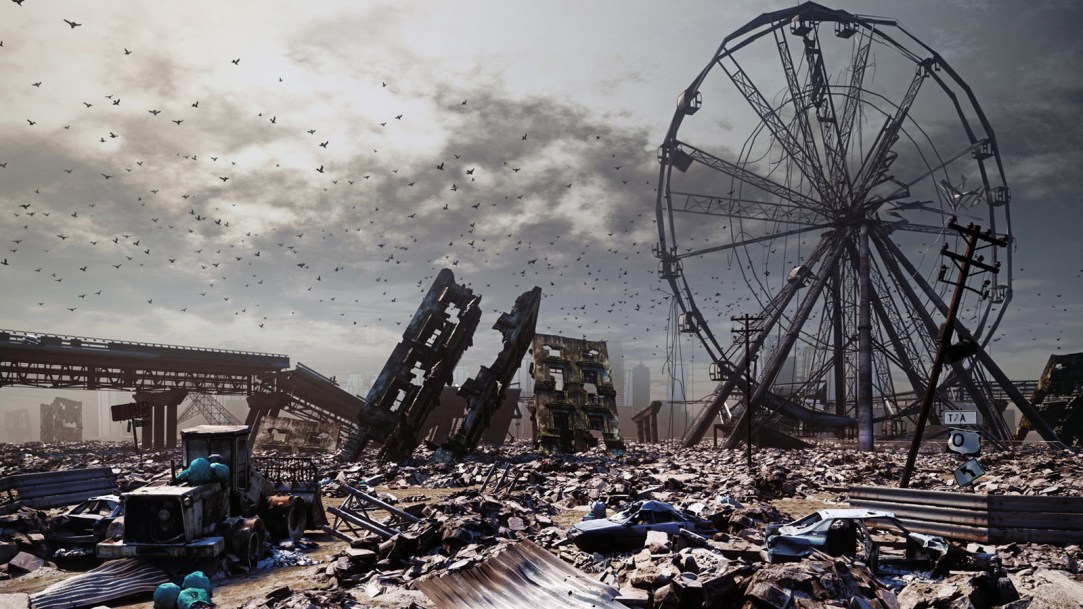
Why Scientists Stopped Believing The World Will End On November 13, 2026
According to Popular Science, the doomsday prediction began falling apart around 1993, when the world’s population stopped growing as quickly as the mathematical model anticipated.
Today, the global population is approximately 8.3 billion people, nowhere near the outlandish figure predicted by the researchers in 1960.
Mathematical biologist Joel Cohen explained that von Foerster’s calculations accurately reflected historical trends but failed to account for changes in human behavior. “He got the picture right just as that picture ceased to be right,” Cohen said.
Improvements in medicine, sanitation and nutrition initially helped drive population growth by reducing deaths, particularly among children. What the study failed to take into account was the fact that increased access to contraception, education and changing economic conditions would eventually lead to declining birth rates.
Families stopped having so many children once mortality rates improved. In fact, many countries are now concerned about shrinking populations rather than overpopulation.
So, while the original mathematical model predicted humanity would essentially run out of room on November 13, 2026, experts no longer consider that outcome likely. Which means there’s probably no reason to cancel any plans you have… at least for Saturday, November 14. After that, all bets are off.