



iStockphoto
Dumpster diving might be controversial, but it has its benefits. Many divers document their hauls online. And for one woman, her haul was especially lucrative.
The video was posted by TikTok user @brokemom19. And just like the video itself, the objects she ended up finding were hidden gems.
In the video, she begins by showing a picture of a college dumpster, which is surrounded by additional items. She shares that she has been college dumpster diving for four years now.
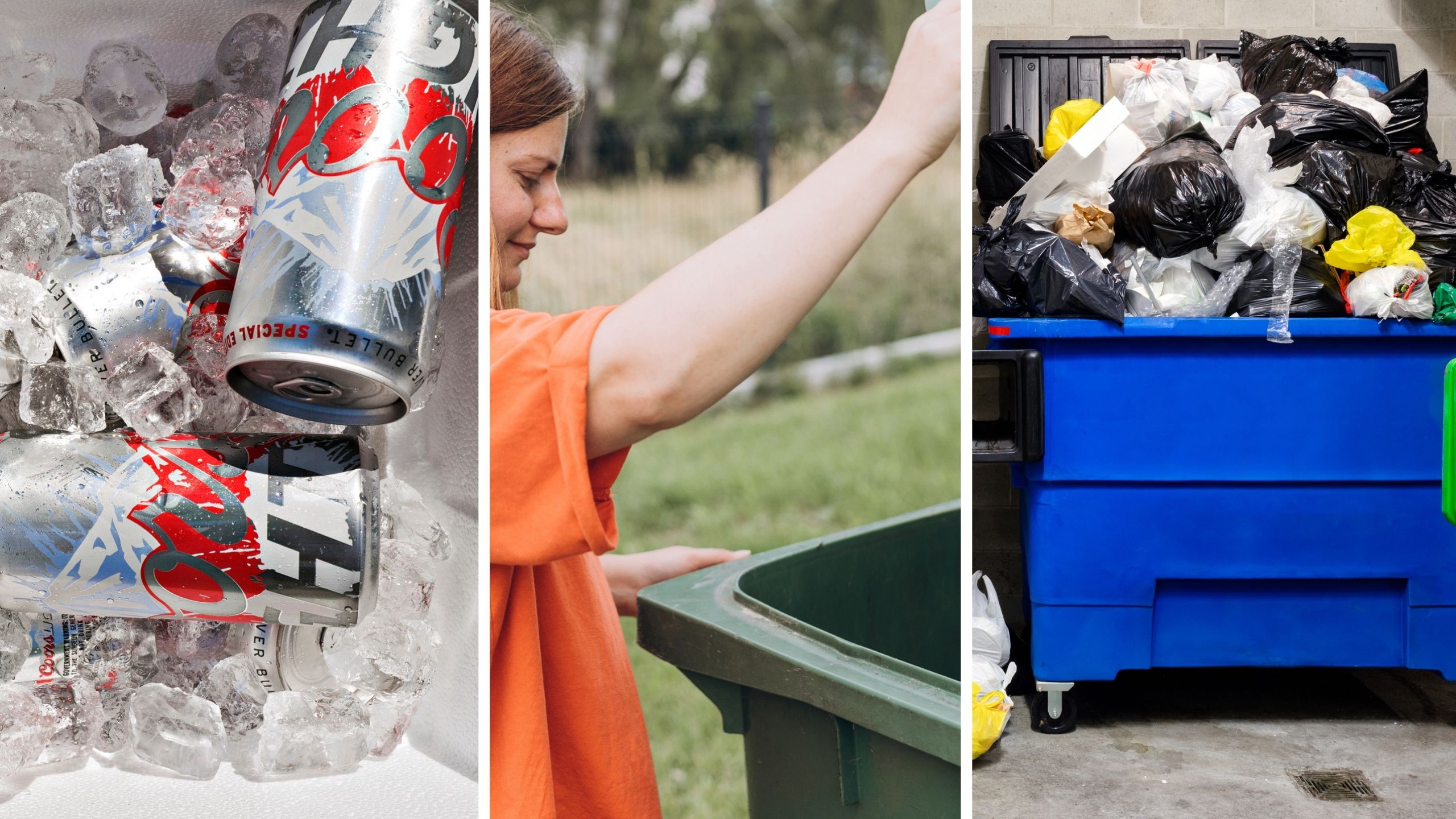
She then shares a series of pictures of the items she obtained this year. These include over 10 TVs, mostly 32-inch, along with a 65-inch and a couple of others; an assortment of unopened cans and bottles of alcoholic drinks, including brands like White Claw and Coors Banquet; nine working laptops; seven Xboxes; and a handful of gift cards, including multiple Starbucks ones.
In the comments, one user praised the TikToker through a series of clapping emojis. Meanwhile, another asked @brokemom19 about the best time to go dumpster diving.
“For college dumpsters, it is the beginning of May to the beginning of June for my area,” the user explained. “This is move out time. I would go twice a day, morning and night. It tampers up to graduation weekend, then insane on graduation weekend then slowly tapers off.”
BroBible reached out to @brokemom19 via Instagram direct message.
@brokemom19 See what I got for the first time College Dumpster Diving! #dumpsterdiving #thrift #thrifting #dumpsterfinds #college #collegelife #freestuff
Is Dumpster Diving Legal?
In a broad sense, dumpster diving can be seen as legal thanks to a 1988 Supreme Court ruling. The ruling is from the case State of California v. Greenwood. As FindLaw points out, while this case ruled that police could search public garbage without a search warrant, it also had an inadvertent effect on dumpster diving. It all depends on whether your garbage is kept in a public place.
If your trash is, for example, on the curb, it’s technically in a public space. This means that you can’t reasonably expect privacy in the place the trash is left and that the trash itself is essentially in the public domain. In turn, the Fourth Amendment, which is about search and seizure rights, no longer applies.
That being said, there is other legal red tape when it comes to dumpster diving. As WorldLawDigest notes, private property laws make it illegal to access locked or fenced areas to access dumpsters. In addition to this, there are trespassing laws that prevent you from going onto someone’s property without their consent. These laws can apply even if you stay outside. They can also apply to retail store dumpsters. It’s also worth checking any local county or city ordinances or municipals when it comes to dumpster diving, as this can vary, depending on the location.
The website also listed common mistakes made during dumpster diving that have the potential to cause complications. These include trespassing by entering fenced or locked areas without permission, ignoring local ordinances that either restrict dumpster diving or need a permit for garbage removal, taking items that aren’t actually abandoned, and not using protective gear, which could lead to injury or exposure to hazardous materials.