


With a government shutdown underway and uncertainty about how long it might last, travelers are scrambling to figure out what this means for their upcoming trips.
A Florida-based travel expert is warning people that if they need to book flights in the coming months, there are two crucial steps they should take to protect themselves from potential chaos at airports.
Travel Expert Warns of Potential Flight Disruptions During Shutdown
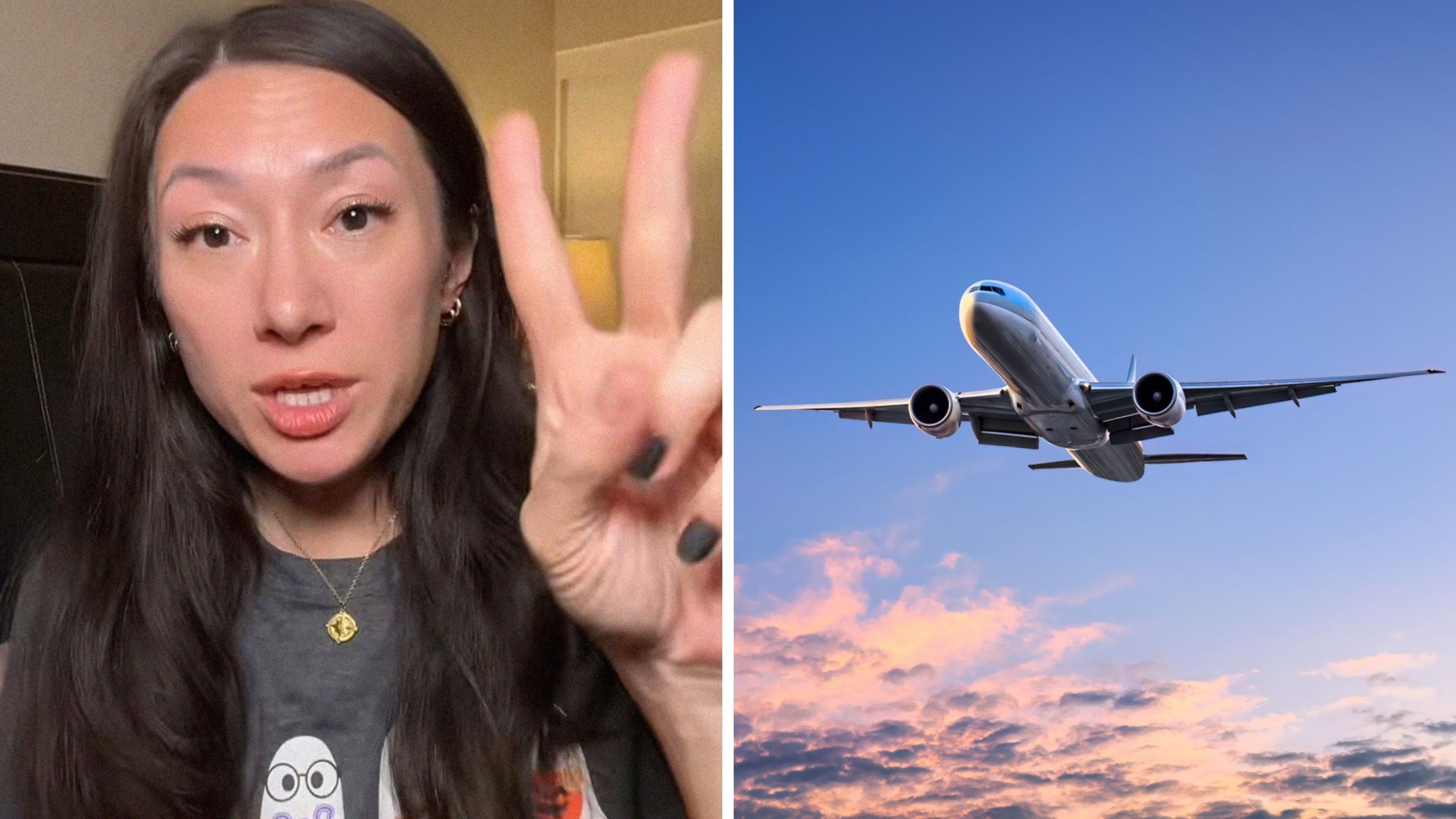
In a viral video with more than 395,000 views, travel content creator Marissa (@marissawanders) shared urgent advice for anyone booking flights for October, November, or December amid the government shutdown.
“First, get the travel insurance. Get the travel insurance,” she says in the TikTok. “We don’t know how long this government shutdown is going to last.”
Marissa explains that while travelers should ideally have insurance or credit card coverage for any trip, it’s especially critical now given the uncertainty surrounding the shutdown. She points to historical precedent as a warning sign.
“We know that the last shutdown lasted 35 days, and we saw that the delays and the cancellations got worse as this went on to the point where LaGuardia Airport had a full round stop. It shut down completely,” she said. (Both facts are true, by the way.)
“We don’t know if this will get to that level, but it might.”
Having travel insurance, she notes, will provide crucial protection if flights get canceled or delayed during the shutdown. “You’re gonna be glad you have the insurance.”
Why You Need to Avoid Basic Economy Fares
Her second piece of advice? Avoid basic economy fares if at all possible.
“I would not book basic economy right now if I could avoid it. Now I understand the finances of it, so you do what you gotta do. But just understand, a basic economy fare does not have the same privileges as a regular class fare,” she added.
The differences go beyond just carry-on restrictions and seat selection, she explains. Basic economy passengers have fewer rights when it comes to rebooking, cancellations, and refunds.
“They are gonna screw you if you’re basic economy,” Marissa pointed out. “And look, I’m not saying that they treat you great if you have a regular economy fare, but I would take those odds, especially if we’re talking widespread delays, widespread cancellations, everyone from that plane or multiple planes all in line at the ticket counter.”
For travelers stuck in a situation where multiple flights are canceled and crowds are overwhelming ticket counters, basic economy passengers will face the worst of it, according to Marissa.
“Didn’t pay for the fare, you’re gonna pay there at the airport. You’re gonna pay in your time and your frustration and probably money too,” she warns.
Her ultimate recommendation? If your travel plans aren’t urgent, hold off on booking altogether.
“If you have a trip that you’re planning, if you can wait at least a few days, if not a few weeks to book, I would really do that right now. Let’s see how this plays out because we’re only one day into it,” she advised.
How Government Shutdowns Actually Affect Air Travel
While Marissa’s concerns might sound alarmist, they’re rooted in real precedent. A short government shutdown typically won’t cause major travel disruptions, but a prolonged one absolutely can, CBS News reported.
Here’s the deal: Both the Federal Aviation Administration and the Transportation Security Administration classify most of their employees as “essential workers.” That means airport screeners, air traffic controllers, federal air marshals, and safety inspectors are required to keep showing up for work during a shutdown—except they don’t get paid until Congress passes a funding bill.
And that’s where things get dicey. Caleb Harmon-Marshall, a former TSA officer, told CBS News that officers are expected to report to work, but history shows that changes when shutdowns drag on.
“If a shutdown exceeds two weeks, officers start to get frantic, and they stop going to work,” he explained. People start calling in sick or even looking for other jobs when they’re not getting paychecks.
During the government shutdown that lasted from December 2018 into 2019 (the one Marissa referenced), roughly 10% of TSA workers called in sick. This resulted in massively increased wait times at major airports across the country, and LaGuardia Airport in New York had to temporarily halt flights due to staffing shortages.
The U.S. Travel Association warned in a recent letter that a shutdown could cost the economy $1 billion per week. The organization noted that shutdowns make existing staffing shortages even worse, “threatening longer airport security lines, flight delays and cancellations.”
Things could get particularly bad because the U.S. is already dealing with an air traffic controller shortage, as the country is down more than 2,800 controllers nationwide. A shutdown would halt the hiring and training of new controllers, making the problem even worse.
The silver lining? If you’re traveling by train, Amtrak is expected to continue operating normally since it’s financially healthy enough to pay workers in the near term. And passport services are also considered essential, so those should keep running during a shutdown.
Commenters React
“Girl it’s too late. I booked economy without insurance already,” a top comment read.
“I got a long distance relationship they gotta fix this fast,” a person said.
“Im so anxious. I have a flight next week,” another shared.
“Well im a broke college student that needs to go home sooo,” a commenter wrote.
@marissawanders travel insurance and avoid basic economy if you can #traveltiktok
BroBible reached out to Marissa for comment via email and TikTok direct message.