


Chris J Ratcliffe/Getty Images
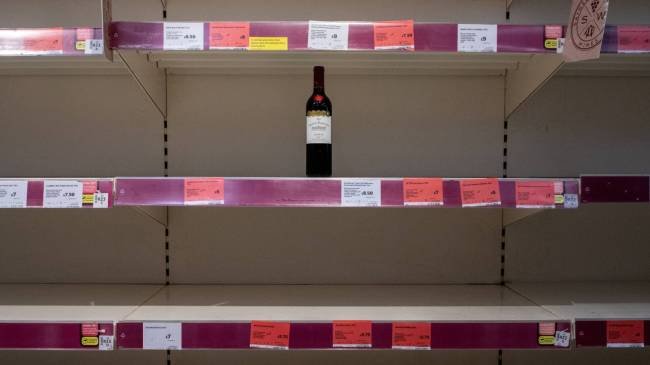
Mississippi is near the middle of the pack when it comes to the states that consume the most alcohol on an annual basis. However, it could drop toward the bottom of the rankings this year due to a logistical nightmare that has led to liquor stores and restaurants in the state being unable to get their hands on the boozy products they peddle.
You will not be surprised to learn Utah is the state that boasts the lowest consumption of alcohol per capita, as the average person there consumes 1.7 gallons of ethanol per year. New Hampshire firmly leads the way at 4.67 (the only state above four), while Mississippi sits in a tie for 34th place with North Carolina at 4.17.
Mississippi is also one of 17 states where the government has at least some role in the sale of alcohol. It doesn’t boast state-run ABC stores and allows private distributors to handle beer sales, but any retailer that wants to buy liquor at wholesale needs to order it from a single warehouse (officially referred to as the “ABC Liquor Distribution Center”) in the town of Gluckstadt.
Earlier this year, that warehouse introduced a new computer system that turned out to be an unmitigated disaster, and the people who relied on it have subsequently found themselves dealing with a bit of a crisis.
Mississippi is struggling to fulfill alcohol orders as liquor stores struggle to stay afloat
According to The Washington Post, the aforementioned warehouse was run directly by the state until a law was passed that led to operations being transferred to a third-party in the form of Ruan Transport Corporation in the summer of 2023.
At the start of 2026, the retailers it supplies were informed the warehouse would be closing for a couple of weeks for an inventory assessment, which also coincided with the introduction of a new computer system that they soon discovered was not compatible with the one that is used to place orders for deliveries.
As if that wasn’t bad enough, aging conveyor belts were also removed to mediate a pivot that relied on human beings to physically move boxes and pallets from place to place, but they failed to hire enough people to handle the workload. That perfect storm of problems created a backlog of hundreds of thousands of orders by the time the middle of February rolled around, and the situation has not improved.
The outlet spoke with a number of liquor store owners who say they’ve been unable to stock their shelves for months while receiving just a fraction of the orders they’ve placed (and, in some cases, not actually getting what they ordered if something does arrive).
The issue has been exacerbated by an inability to get their hands on their most popular products (primarily the cheap vodka that keeps the lights on at many of those establishments). It’s also impacted restaurant owners who’ve been unable to stock their preferred wine, including a James Beard-nominated establishment in Jackson that has been unable to maintain the standards of its acclaimed program.
The state is planning to open a second warehouse that is slated to open in 2027, but that could be too little too late for many of the retailers who have been impacted.