



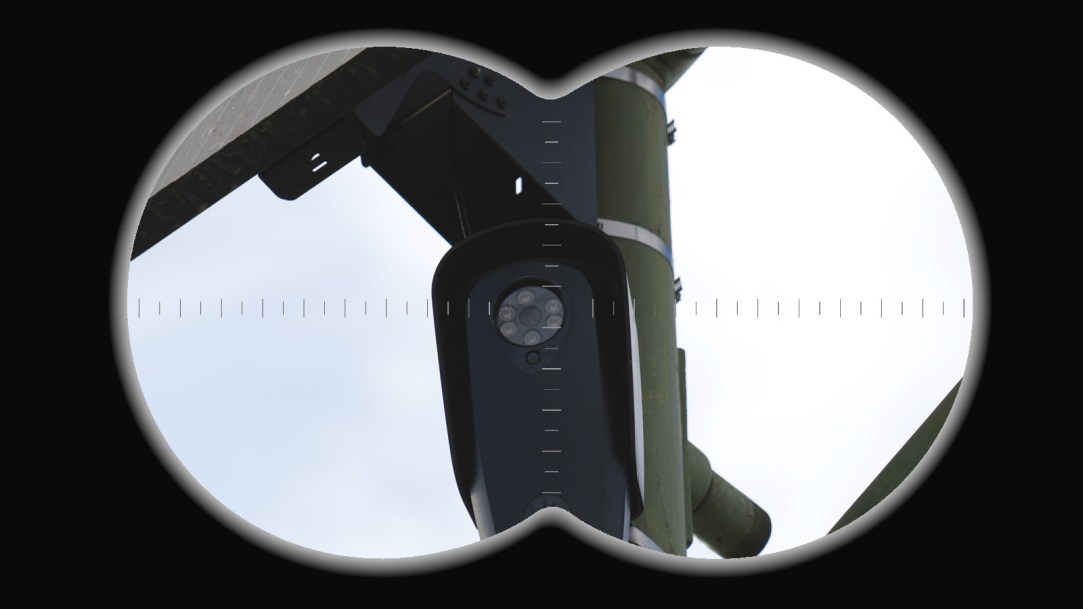
Flock surveillance cameras are not just being used to track criminals and stolen vehicles. A troubling investigation has revealed another use of the controversial technology.
The Flock cameras installed at schools are also being used to help federal immigration authorities track people. And, apparently, some school districts don’t even know that the technology they thought would be utilized for student safety is being repurposed.
Police Using School Flock Cameras For Immigration Investigations
According to an investigation by The 74, more than 100 public school systems nationwide have installed Flock safety cameras, which record license plates and other vehicle information. Many were installed with the hope that they would help protect students.
The problem? Law enforcement agencies nationwide can also search that information.
In Texas, authorities found that Alvin Independent School District, which educates about 30,000 students, had more than 3,100 police departments conduct more than 733,000 searches using the district’s eight cameras over about one month. 30 law enforcement agencies carried out the searches, including departments in Florida, Georgia, Indiana and Tennessee.

Interestingly, the district’s own police reportedly couldn’t use their cameras to conduct some immigration-related searches, but officers from other states could.
Phil Neff, research coordinator at the University of Washington Center for Human Rights, said “this just really highlights how far-reaching these systems can be.” He added that the use of school district surveillance cameras by out-of-state law enforcement agencies during searches unrelated to campus safety “really strains any sense of the appropriate use of this technology.”
Flock Surveillance Cameras Are Facing A Lot Of Backlash
As Jalopnik reported, Flock cameras have also been installed at approximately 150 colleges and universities. One of those schools, Elgin Community College in Illinois, became so concerned about outside access to its cameras that officials covered them after Flock allegedly refused to remove them.
Meanwhile, a Minnesota city accused Flock of reinstalling cameras after canceling its contract.
The legal questions surrounding the technology aren’t going away anytime soon either.
According to another recent Jalopnik report, a federal judge in Oklahoma recently ruled that a warrantless nationwide search of Flock databases violated the Fourth Amendment. In another case, an Ohio county judge came to the opposite conclusion. So whether police need warrants to search this information remains unclear.
In the meantime, creative ways to fight back are popping up, like a Canadian engineer who built a camera to track police cars and a YouTuber who invented a device to hide license plates from Flock cameras.