



Pixar
The Toy Story franchise has long tackled adult themes
For a franchise about a gang of sentient toys, Toy Story‘s legacy is built on a surprising amount of existential crisis — both for the characters in the films and the audience watching them.
With the latest film in the franchise, Toy Story 5, now in theaters — reducing both kids and parents alike to puddles of tears — we decided to rank the iconic Toy Story films based on the severity of existential crisis they induce, both on the toys in the films and the people watching them.
Ranking all five Toy Story movies based on how big of an existential crisis they trigger within the characters and the audience
5. Toy Story
Pixar
The original 'Toy Story' wasn't as heavy as its successors
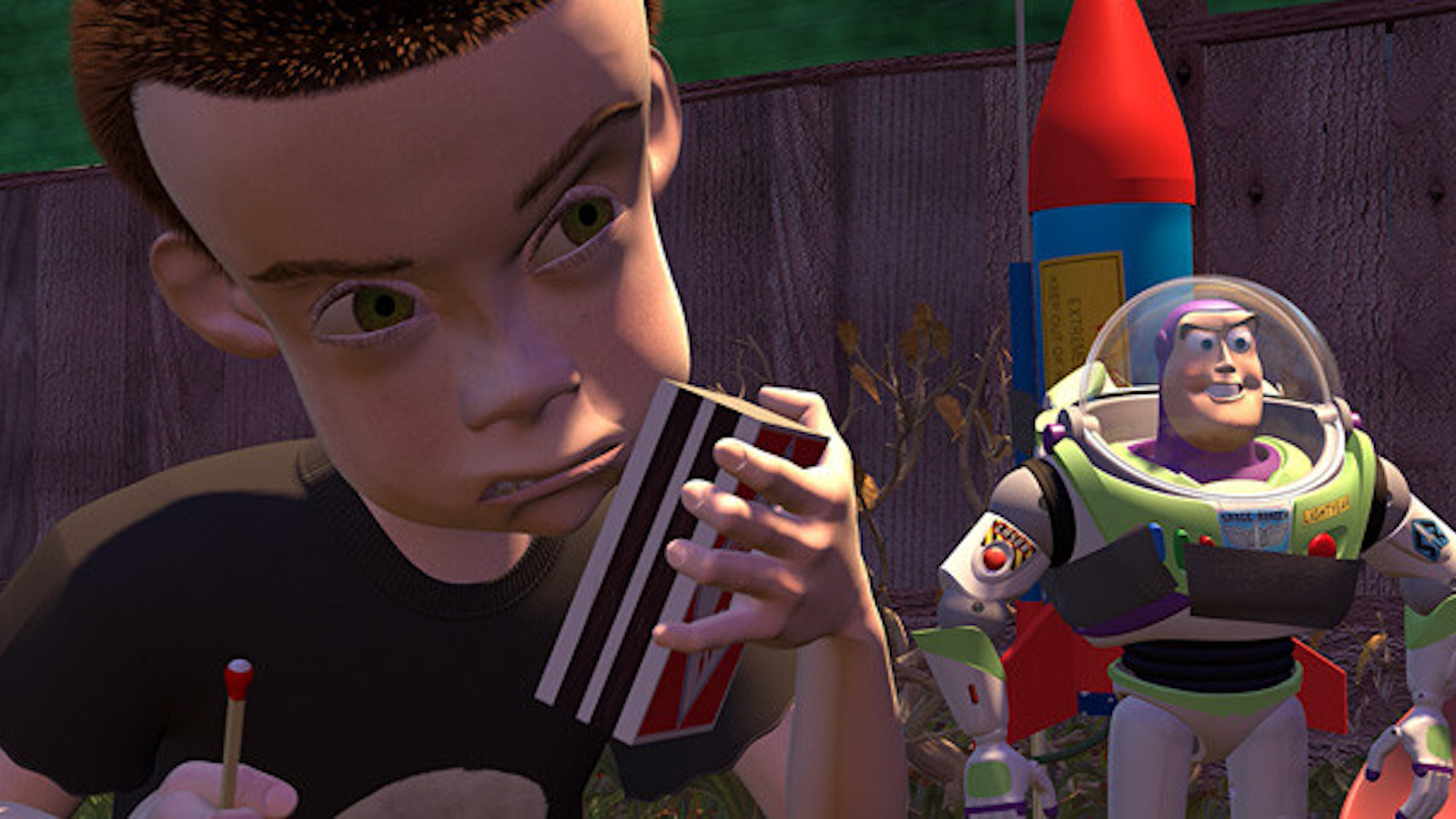
The first ever Pixar film, the original Toy Story — while clever enough to entertain adults — didn’t quite wade into the thematic and emotional subtext that subsequent entries in the franchise and studio at large reckoned with (2017’s Coco is literally about death, for example).
The film is largely an adventure comedy with existential undertones — Buzz’s initial misunderstanding of what it means to be a toy is largely played for comedy instead of drama — rather than the other way around, and its emotional stakes are relatively contained to whether Woody and Buzz will make it home to Andy. While it does raise the central question of the franchise — do toys have souls? — it doesn’t spend much time dwelling on what having a soul actually means. That’s what the sequels are for.
4. Toy Story 2
Pixar
'Toy Story 2' began to explore more adult themes such as purpose
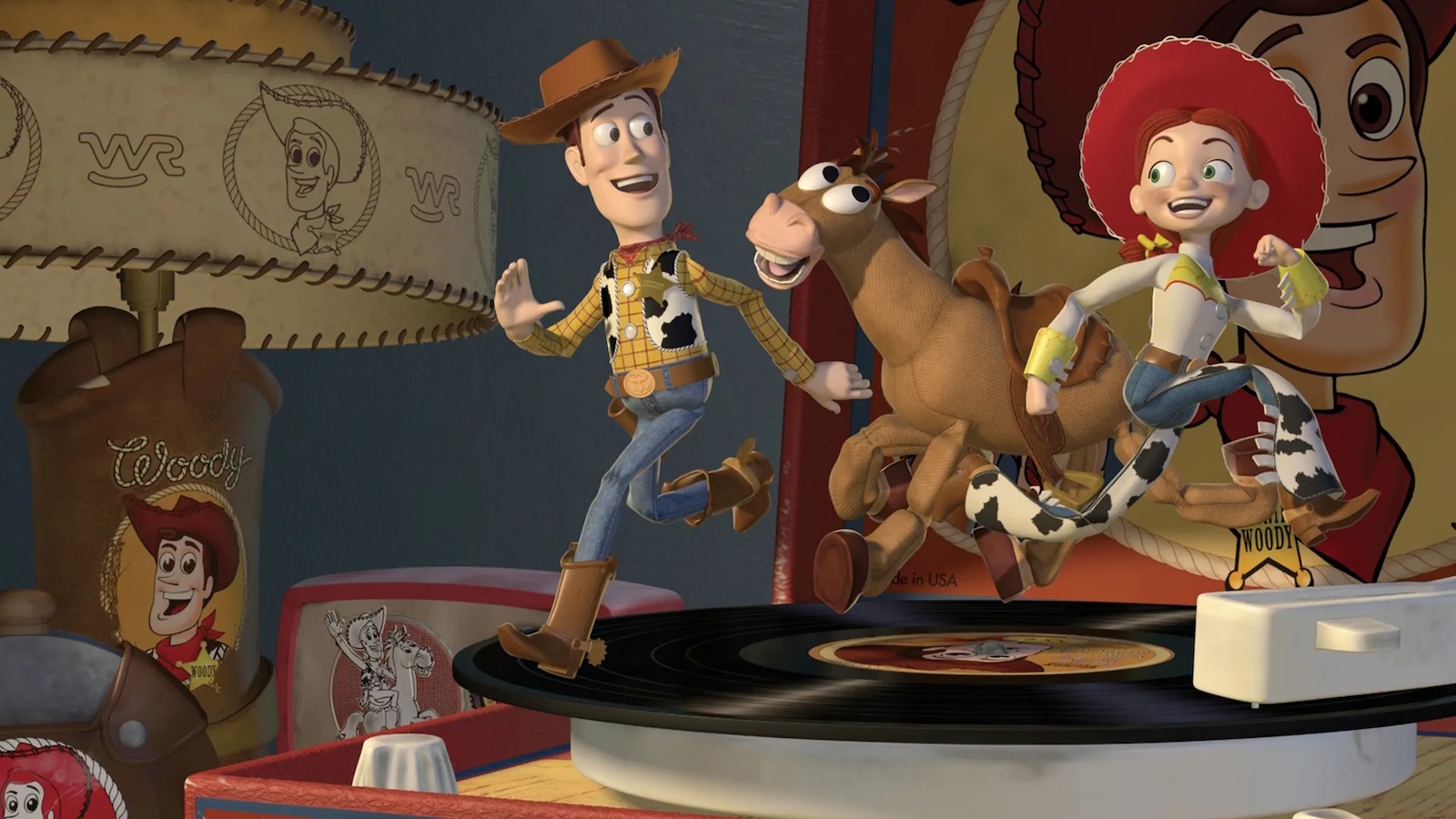
A thematic undercurrent of the Toy Story films, from the introduction of Buzz in the original, is the notion that time makes all things replaceable. That emotional and intellectual confrontation was far more explored in Toy Story 2 through Jessie’s storyline, particularly in the memorably emotional Jessie’s “When somebody loved me” montage.
In addition to Jessie facing the question of is it better to be loved briefly and then forgotten, or to live forever in a museum, perfectly preserved but never touched again, Woody also experiences his existential crisis as he contends with the notion that his beloved owner Andy is not only no longer interested in but is willing to get rid of him.
3. Toy Story 5
Pixar
'Toy Story 5' explores the impact of technology on children via the villainous Lily Pad character
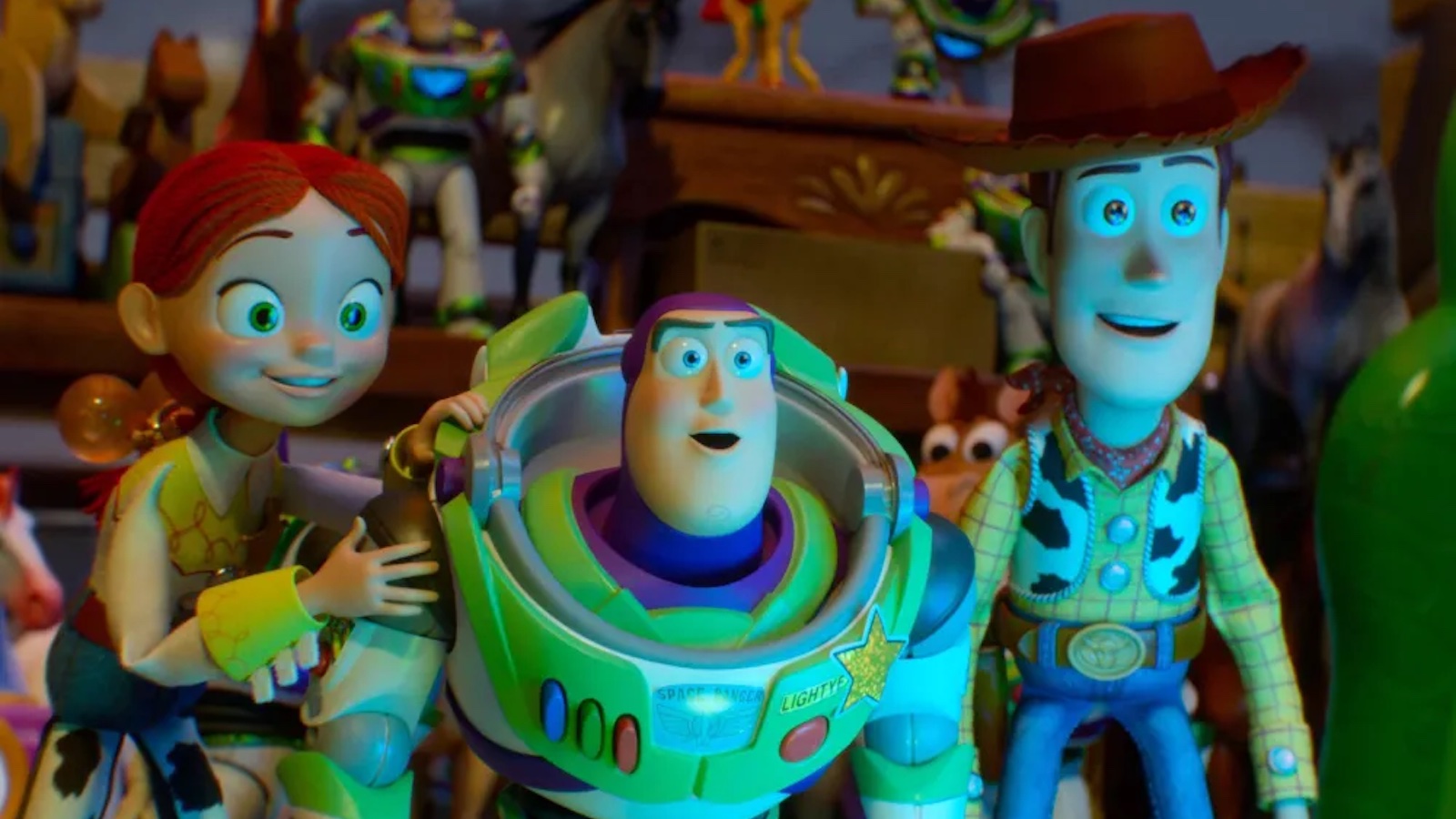
The latest entry in the franchise, Toy Story 5 comes armed with a premise that, perhaps for the first time, has its audience looking forward instead of backwards as it contends with the generation of children who’ve grown up staring at screens — instead of confronting their own upbringing, they look outward to the childhood of the generation after theirs, a generation they themselves created.
Toy Story 5 also turns metaphysical despair into physical decay, as Woody sports both a beer belly and a bald spot — a direct shot to the heart of the millennials who grew up with the films.
2. Toy Story 4
Pixar
The 'Toy Story' franchise has long tackled mature themes and pushed that to its limit in 2019
Toy Story 4 literalized the introspective journey of self-worth with the character of Forky. As a spork turned into a crude toy, Forky’s consciousness isn’t as actualized as the traditional characters in the franchise and thus spends the film repeatedly trying to throw himself in the trash because he genuinely does not believe he deserves to exist.
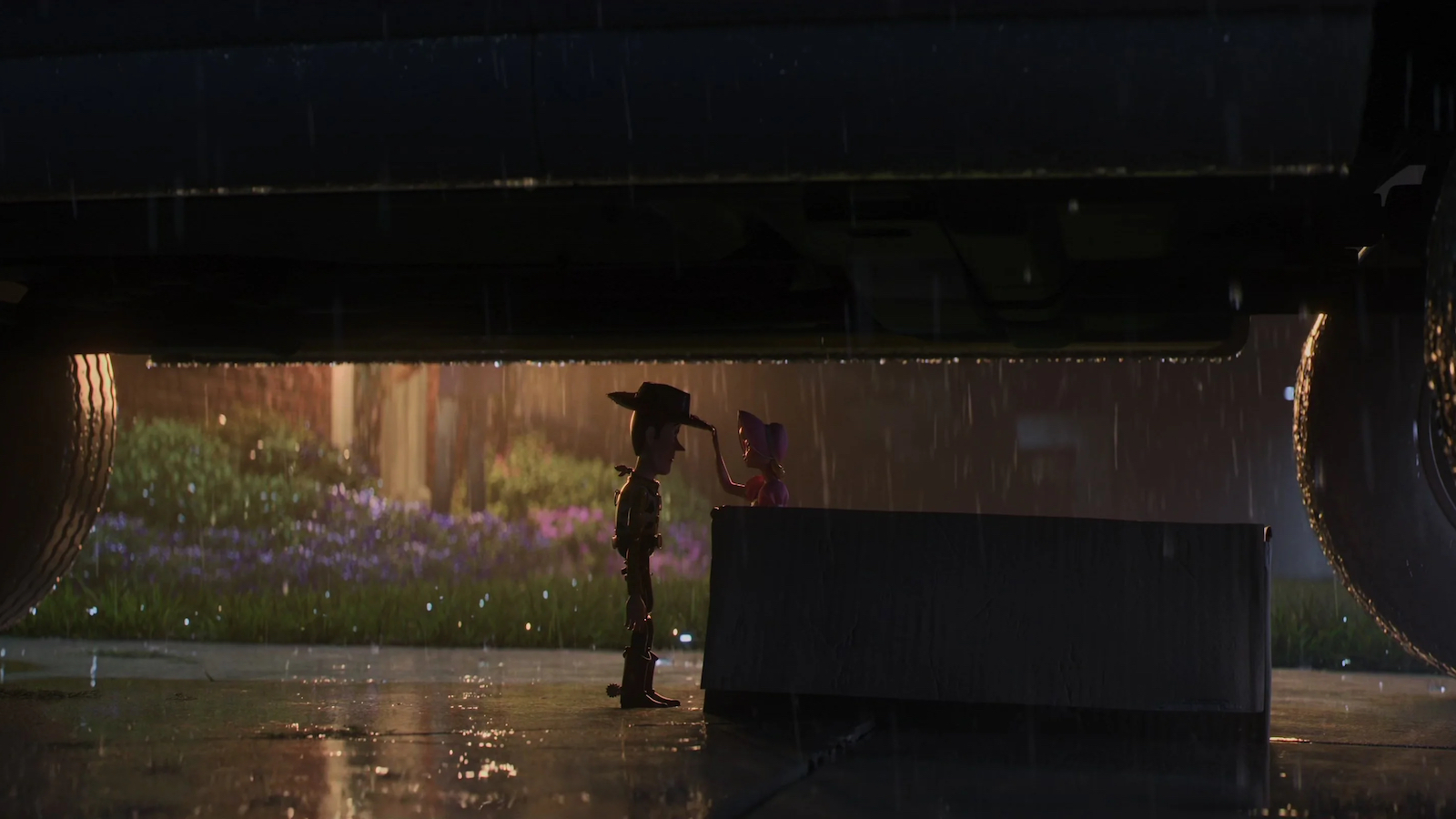
Then there’s Woody’s arc, which ends with Woody leaving the gang behind to pursue a life with his love Bo Peep — a decision that’s in direct and conscious contrast to the ethos of loyalty, belonging, and selfless devotion to others that defined the previous three entries.
1. Toy Story 3
Pixar
Toy Story 3 would've been the perfect trilogy capper if the series ended there
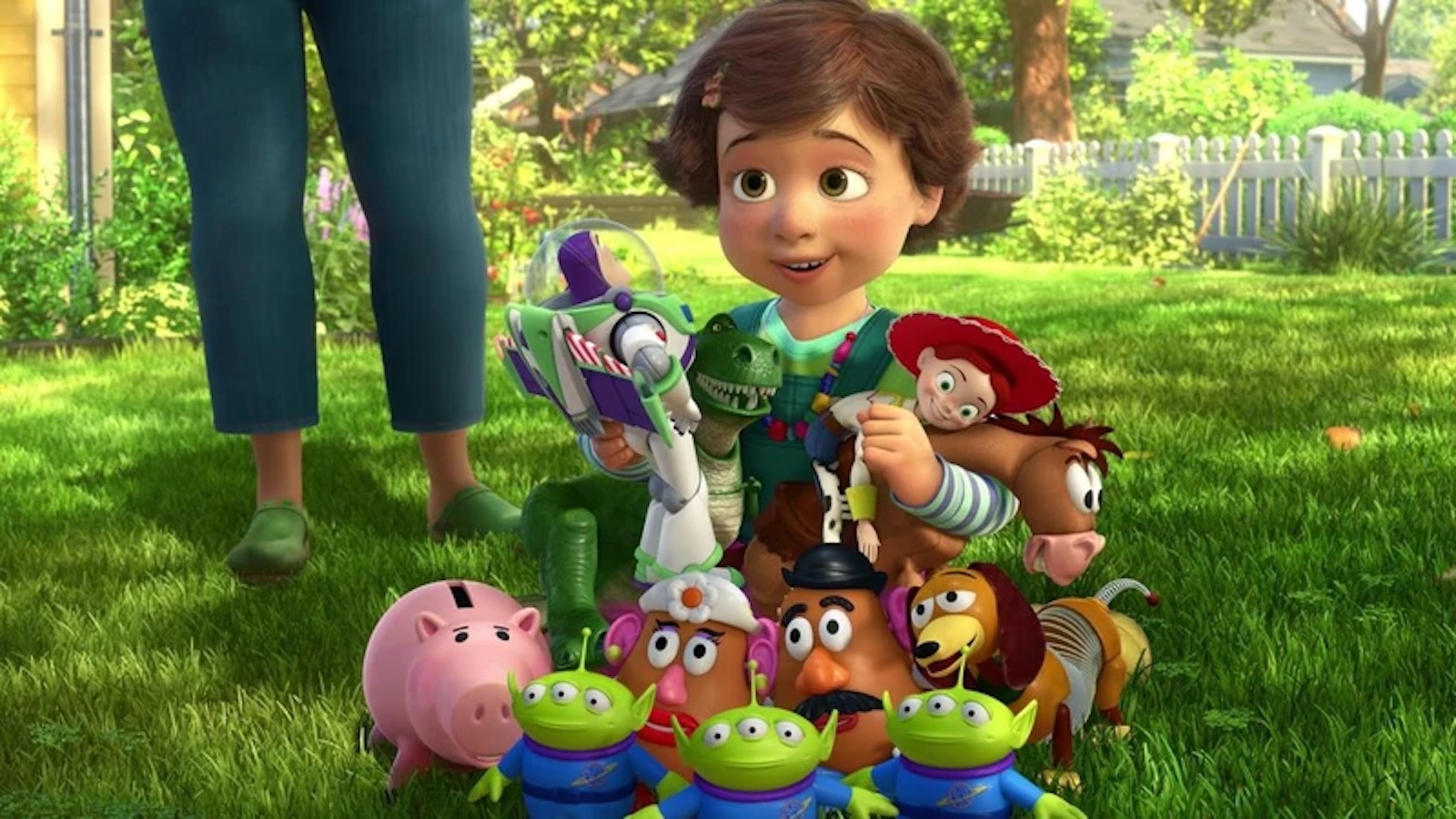
Toy Story 3 stands as not only the most emotionally harrowing film in its own franchise, but perhaps the Pixar project at large, as it confronts themes such as the end of childhood, the inevitability of growing up, and the terror of being left behind, while also putting Woody, Buzz and co. in literal mortal danger by having them mere inches away from being incinerated in fiery toy hell.
The film also faces up to the immutable nature of time as Andy, the centerpiece kid in the first two films, ends the story by heading off to college and leaving childhood behind, mirroring the life arc of the 90s’ kids who grew up with the films, making the emotional questions posed by the movie all the more real.