



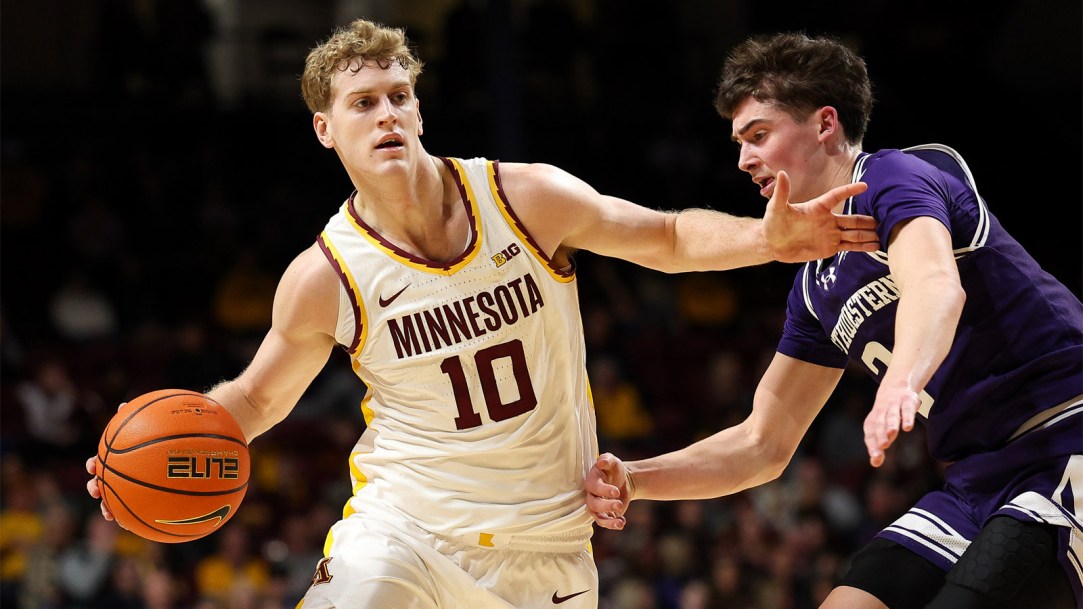
11 Division I college athletes have filed a federal class action lawsuit against the new NCAA eligibility rules and their impact on NIL benefits. Among the athletes listed as plaintiffs in the lawsuit are Cade Tyson of Minnesota and Brock Wisne of Northern Colorado.
Last month, the NCAA Division I Cabinet unanimously endorsed a new “five-for-five rule” or “age-based eligibility model.” The new rules eliminate most eligibility exemptions and redshirting seasons while granting athletes five years of eligibility, rather than the customary four.
The new NCAA eligibility rules will take effect this fall, following the completion of the 2025-26 academic year. Maybe.
It’s mostly about NIL money, and a little bit about education
According to ESPN,11 DI athletes filed a federal class action complaint in Colorado, claiming that the NCAA’s new eligibility regulations have negatively impacted their ability to continue their education and the NIL benefits that come with it.
“Plaintiffs are a talented group of NCAA Division I collegiate athletes and students who come to this Court as a last resort and as a direct result of the NCAA’s unlawful action in implementing a new eligibility rule on June 24, 2026 (hereinafter the ‘Five-Year Eligibility Rule’) in a manner designed to prevent Plaintiffs from playing their sports at an NCAA member college or university for the 2026-2027 season,” the lawsuit reads.
“Unless the Court grants Plaintiffs both immediate and lasting relief, Plaintiffs will incur significant irreparable harm and monetary damages. More specifically, Plaintiffs will forever lose the opportunity to complete the remainder of their collegiate careers alongside their teammates who will benefit from the rule change–as well as significant Name, Image, and Likeness (“NIL”) compensation that is contingent on them playing this next season. And in some cases, despite the NCAA’s stated concern for athletes’ educational opportunities, Plaintiffs will lose the scholarships and opportunities that they are counting on to finish their desired degrees.”
The NCAA is facing multiple legal battles over eligibility
This federal lawsuit comes after an Ohio judge granted 24 men’s and women’s collegiate basketball players a preliminary injunction to continue their college careers and enter the transfer portal after they’d been found ineligible by the NCAA.
In a statement addressing that ruling, the NCAA said that it does “not intend to change course,” despite any lawsuits.
“Student-athletes who will exhaust their eligibility this year have received the full period of eligibility permitted by NCAA bylaws and the life-changing benefits college sports provides,” the NCAA wrote. “Giving those student-athletes another season would destabilize rosters just ahead of the coming season by disrupting settled expectations of countless student-athletes regarding their expected roster spots and playing time next year, including incoming freshmen who are eager to participate in the life-changing experience of college athletics.”