




iStockphoto
True tomato aficionados know the ones cultivated from Italy’s San Marzano region have a reputation for standing out from the pack. Many brands rely on their hallowed status to lure in consumers, but one major manufacturer has been slapped with a lawsuit for allegedly misleading buyers with a suspect label.
You may be surprised to learn that tomatoes aren’t native to Italy based on how deeply ingrained they’ve become with the country’s cuisine (specifically its southern region). The vegetables (which are technically a fruit) were introduced to Europe courtesy of Spanish explorers who plucked them from South America, and they made their way to Italy at some point in the 1500s.
The plants were able to thrive in the southern part of the country thanks to the climate in the region, and they were eventually incorporated into the pizzas, pasta sauces, and salads that are now viewed as foundational dishes in the realm of Italian food.
There’s no shortage of options to pick from when it comes to the canned varieties on shelves in grocery stores in the United States, and many people are willing to pay a premium for the San Marzano variety.
Those tomatoes, which are grown and cultivated in the shadow of Mt. Vesuvius, are known for their robust flavor, but one major player in the space has a lawsuit on its hands over some questionable marketing tactics.
Cento is being sued for $25 million over its use of the “San Marzano” tomato name
San Marzano tomatoes are a unique heirloom variety that can technically be grown anywhere with a climate that supports their proliferation. They were the result of a breeding process that prioritized a sweet taste, hardiness, and a relative lack of seeds, which are qualities that make them ideal candidates for canning.
The tomatoes get their name from a town located just south of Mount Vesuvius, and the ones that are grown in that area are especially sought-after due to the boosted flavor profile linked to the volcanic soil that comes courtesy of the peak that froze Pompeii in time.
The San Marzanos that are grown in that area are able to earn the Protected Designation of Origin (PDO) label that the European Union uses to certify products that can only be legally referred to by a certain name if they are sourced from a particular region (the tomatoes have their own dedicated watchdog, ll Consorzio di Tutela del Pomodoro San Marzano DOP, which ensures the ones that earn the label meet their standards).
That label is the reason “real” champagne can only come from that particular region in France, and is also used to protect the reputation of a wide variety of cheeses, meats, and other exports across the continent.
If you come across a can of tomatoes with “San Marzano” on the label in the United States, it will likely be priced significantly higher than comparable options. However, that’s not necessarily the case with one brand that is being taken to court for seemingly attempting to skirt DPO regulations.
According to CBS News, Cento, the New Jersey-based producer of a wide variety of Italian products, is facing a class-action lawsuit that was recently filed in California for the “Certified San Marzano” wording that appears on some of its packaging.
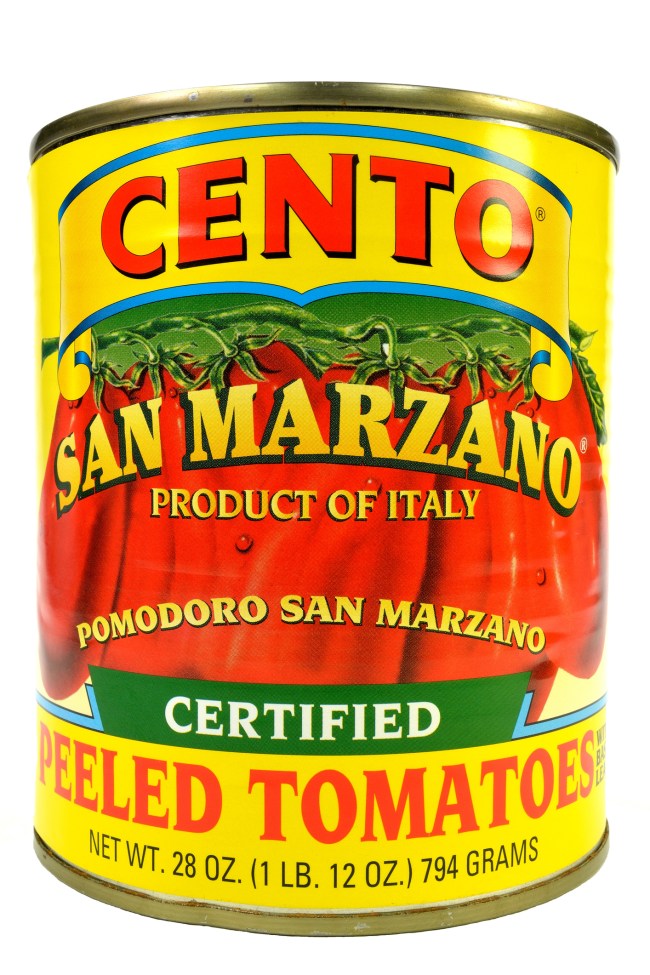
iStockphoto
The filing asserts Cento has misled consumers with the “Certified” claim that its website acknowledges has nothing to do with DPO, saying it reflects the designation handed out by “an independent E.U. approved US accepted third-party agency.”
Cento does source tomatoes from San Marzano and has a production facility in the area, but the lawsuit alleges the company “falsely convey[s] they are the famous San Marzano tomato grown in the traditional method and certified by [the] Consortium.”
It is seeking at least $25 million in damages on behalf of the consumers it argues have been deceived, but we’ll have to wait and see how things play out in court.