



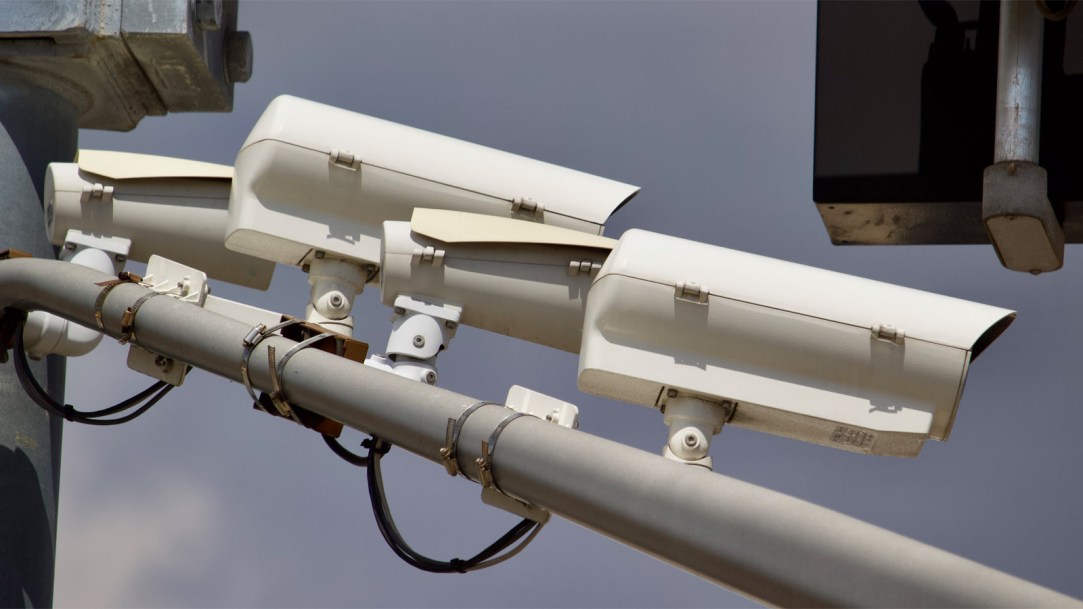
New license plate cameras can now track people using their AirPods, smartwatches, and even their pets, raising serious privacy concerns.
The controversy surrounding automated license plate readers (ALPRs), such as Flock safety cameras, was already broiling, but this new development has cranked it up a notch.
Leonardo, a surveillance company, is advertising a tool called SignalTrace that enhances the functionality of conventional automatic license plate readers, according to 404 Media. The technology gathers signals from nearby electrical equipment and links them to specific vehicles, rather than just capturing a car’s license plate number.
The company claims that the system can identify signatures from devices such as cellphones, key cards, fitness monitors, RFID tags, Bluetooth accessories, tire pressure monitoring systems, pet microchips, and other commonly used electronics.
Authorities can then link a car to a distinct set of devices by comparing these electronic signatures with license plate information obtained at the same time and place. That data may then produce a digital profile, or an “electronic fingerprint,” that tracks the car and those inside of it.
Are these cameras violating citizens’ civil liberties?
Proponents contend that this kind of technology could aid in the investigation of crimes and the identification of suspects who try to avoid capture. Privacy activists, however, say this development in ALPR technology poses serious threats to citizens’ civil liberties.
“Location-based information like license plate data can be very revealing,” the Electronic Frontier Foundation writes on its website. “By matching your car to a particular time, date and location, and then building a database of that information over time, law enforcement can learn where you work and live, what doctor you go to, which religious services you attend, and who your friends are.”
Additionally, detractors claim that these technologies effectively eliminate anonymity in public areas while they collect data on a large number of individuals who are not accused of any crimes. On top of that, there is the issue of data security, as several law enforcement databases have been compromised, misused, or accessed without authorization in the past.