


The integrity of the 2026 FIFA World Cup is under scrutiny over potential betting irregularities and match manipulation.
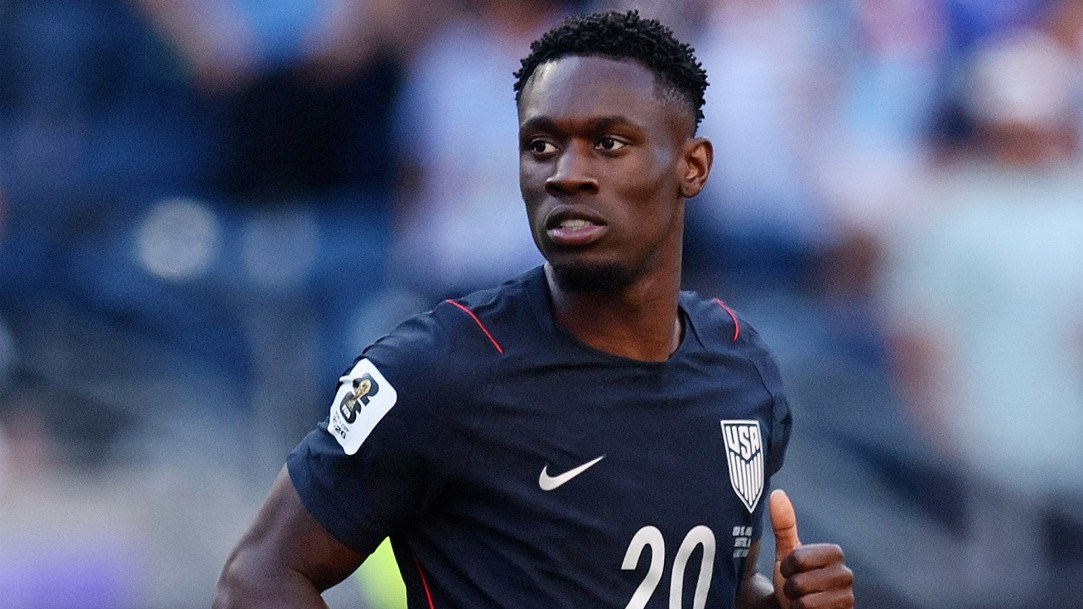
The Group of Copenhagen, an independent international advisory body dedicated to detecting, sanctioning, and preventing the manipulation of sporting events, raised seven notices regarding potential match manipulation from possible betting irregularities in the 2026 FIFA World Cup. One of the notices involves the overturning of Folarin Balogun’s one-game suspension.
The Group of Copenhagen monitored all 104 World Cup matches for unusual betting patterns. According to its findings, which the Council of Europe released on Wednesday, the Group of Copenhagen placed 15 matches under enhanced surveillance, particularly on the last day of the group stage; issued 7 yellow notices; and analyzed 12 major controversies related to integrity risks.
The group categorizes events into categories: green (normal), yellow (slightly increased alert), orange (increased alert) and red (highest alert).
Predictive markets have led to a new area of scrutiny
For the first time, the Copenhagen Group also provided continuous surveillance of predictive markets like Polymarket and Kalshi (an official partner of FIFA) for World Cup games. It is these platforms that appear to be drawing the most scrutiny.
Among the in-game notices to raise potential irregularities, according to The Athletic, which spoke to sources briefed on the report, were: (1) the red card shown to South Africa’s Themba Zwane in the 84th minute of his side’s tournament-opening game against Mexico; (2) Polymarket receiving $4.8 million on markets for Spain not to defeat Cape Verde in their group-stage game, which ended in a scoreless draw; (3) the three-and-a-half-minute delay from the video assistant referee (VAR) team to disallow a goal from Spain’s Ferran Torres in its win over Saudi Arabia; and (4) Polymarket opening a market asking, “Will Folarin Balogun play against Belgium?” on July 2, the same day the he was shown a red card.
FIFA’s Disciplinary Committee only confirmed that Balogun would be available to play, having had his ban suspended, on July 5. Sources say the Group of Copenhagen’s report said no other such markets were opened for the other 14 players who were shown a red card during the tournament — none of whom had bans suspended.
The Group of Copenhagen says it has formally requested FIFA provide a written explanation for the Balogun situation.
Interestingly, FIFA’s Integrity Task Force reported “no suspicious betting activity or indications of match manipulation in connection with any fixture” among the estimated $240 billion in total bets placed during the 2026 World Cup.