



Universal Pictures
John Wick and The Matrix star Keanu Reeves is standing by his former collaborator Carl Rinsch, who is facing about a decade in prison for defrauding Netflix. Rinsch was reportedly given ~$11 million to make a TV series but instead spent that money on himself.
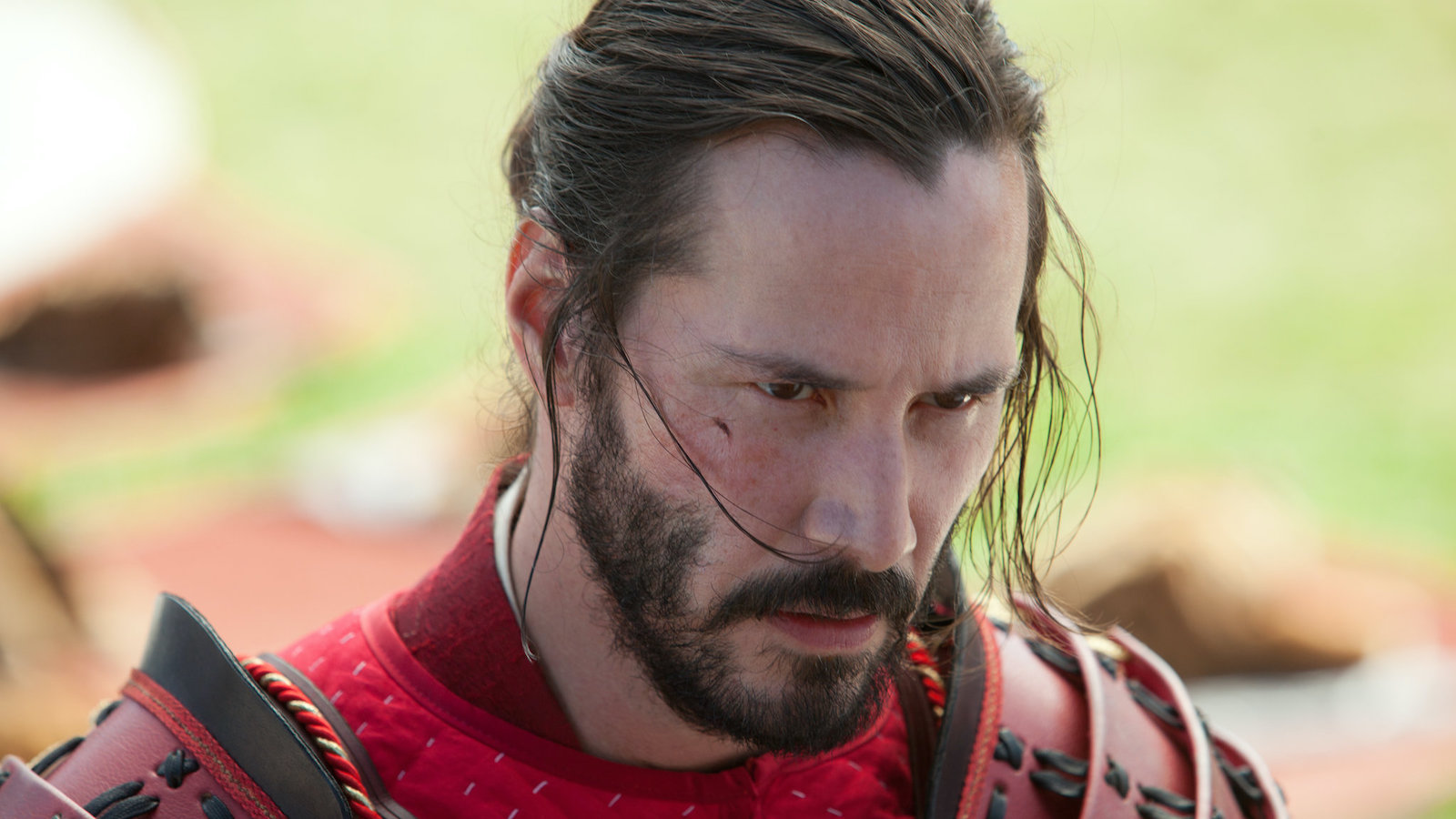
As Carl Rinsch faces imminent sentencing, Keanu Reeves — who starred in his 2013 samurai film 47 Ronin — has written a letter to Judge Jed Rakoff seeking leniency for the director, who was convicted in December on federal charges of wire fraud, money laundering, and making illegal transactions.
According to the prosecution, Rinsch allegedly used $11 million from Netflix — intended to fund the sci-fi series White Horse — to make lavish personal purchases, including luxury cars, high-end mattresses, and crypto investments. The show, which was renamed Conquest after being picked up by Netflix, was never made.
Keanu Reeves wrote a letter to a judge asking for “mercy” on his 47 Ronin collaborator Carl Rinsch, who robbed Netflix of $11 million
In his letter, in which he asked the judge to show “leniency and mercy,” Reeves acknowledged he is not a psychologist or therapist but spoke to Rinsch’s motivations as an “artistic peer.”
“In my opinion, Carl can self-sabotage by amplifying the scale, scope and landscape of what had been negotiated, accordingly placing himself and his counterparties at odds. I do not intend to share this as a diminishment of what he has been found to have done, but offer this solely as perhaps an insight into why,” Reeves wrote.
Reports indicate that Rinsch used funds that Netflix had sent his production company to invest millions in the cryptocurrency “dogecoin” in 2020 before cashing out in May 2021 with $23 million, which he then used to purchase five Rolls-Royces, a Ferrari, and large amounts of expensive furniture.
Rinsch, who faces 8-10 years in prison (though his defense is arguing for a significantly lower sentence), is due to be sentenced on June 29. Rinsch’s legal team is seeking a reduced sentence due to the fact that he’s first-time offender whose career has likely already been ended by the conviction.
In addition to recouping the $11 million, Netflix is also seeking an additional $4.4 million in attorneys’ fees.
47 Ronin, released in 2013, is the only directorial effort of Rinsch’s career and holds an abysmal 16% critics score on Rotten Tomatoes, making it unclear why Netflix was so keen on being in business with him in the first place.