



Lucasfilm
In just the span of seven years, three seasons, and one movie, The Mandalorian franchise has devolved from being a potential savior of the series in the doom and gloom of the post-Rise of Skywalker disaster to an embodiment of all the franchise’s shortcomings. So where did it all go wrong? And more importantly, how?
Let’s wind the clocks back to November 2019, where I glowingly wrote after the third episode of The Mandalorian:
“In The Mandalorian, you’re essentially the main character’s co-pilot as his stillness and general loneliness makes it feel as though you’re on the ride with him. There is no Chewbacca to his Han Solo to set up zinging quips, no Abbott and Costello droid duo to lighten the mood.”
“There is simply Mando, his mission and the seediest corners of the galaxy far, far away — and that lack of distraction combined with the universe’s lived-in nature makes me wonder if perhaps Star Wars is a story better told through the medium of television… Through this deft combination of western motifs, episodic story-telling, and a controlled, slow-drip Star Wars mythos, Disney has created something truly special in The Mandalorian that has me more invested than I’ve ever been in a Star Wars property.”
How did The Mandalorian fall from being hailed as the savior of Star Wars to the biggest box office disappointment in the franchise’s history?
Seven years later, that very same franchise is now largely derided by fans and is poised to become Star Wars’ biggest box office bomb in history. The Mandalorian & Grogu opened to $81 million domestically over its opening weekend and $102 million through the Memorial Day holiday — the worst opening for a Star Wars film since Disney acquired the franchise in 2012. It has since grossed $246.9 million worldwide against a reported $165 million production budget — meaning the film needs to roughly double its current global tally just to break even once its likely immense marketing expenditures are factored in.
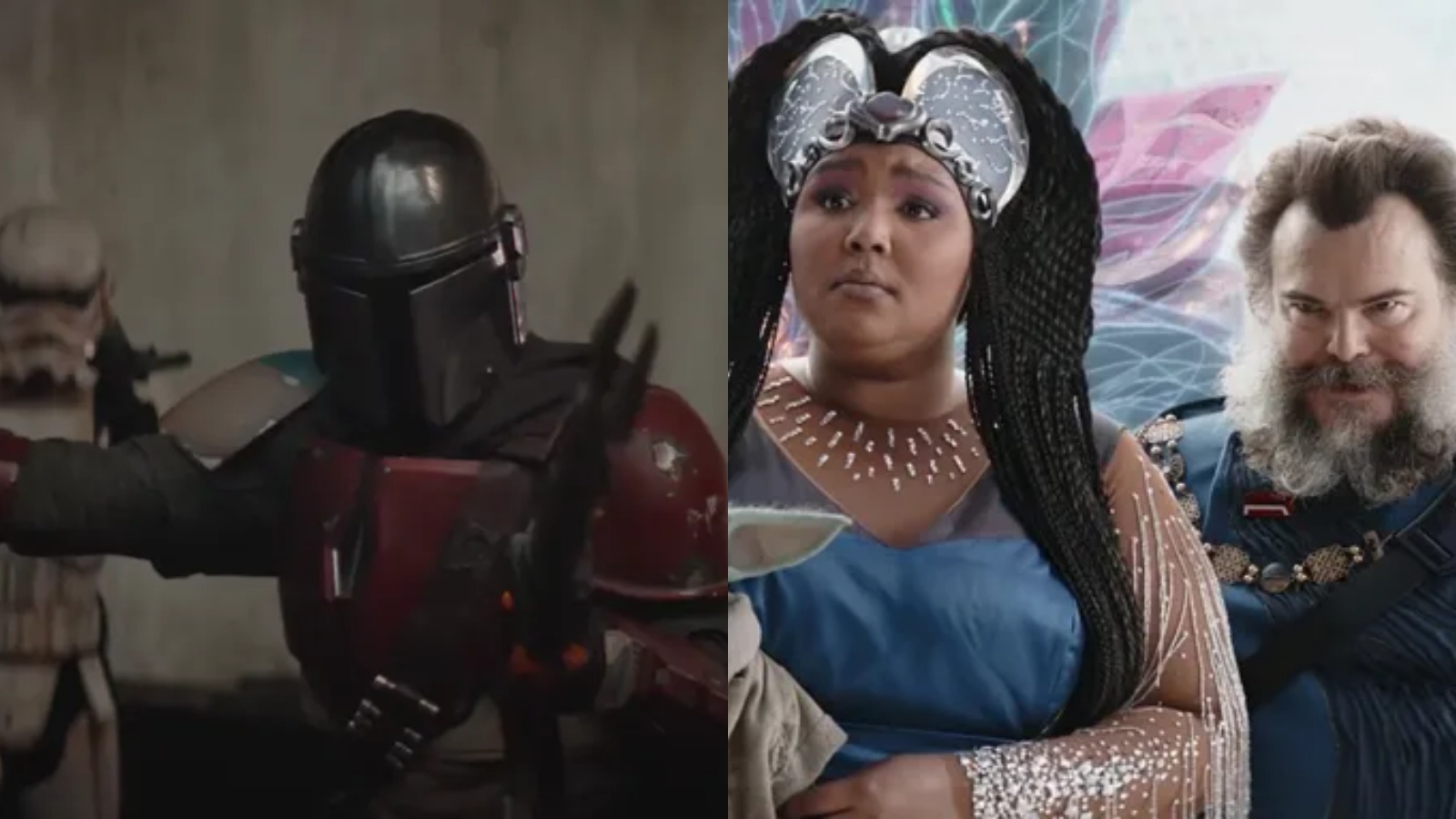
decided to rewatch the first two seasons of #TheMandalorian
it’s honestly staggering to consider these two shots came from the same show pic.twitter.com/64HFvjJ7Cm
— Eric Italiano (@ericitaIiano) June 4, 2026
So, simply put — what the hell happened? The answer is hiding in plain sight. Compare the official logline for Season 1 — “After the fall of the Empire, a lone Mandalorian makes his way through the lawless galaxy with his foundling, Grogu” — to the logline for The Mandalorian & Grogu: “Following the fall of the Galactic Empire, Din Djarin and his apprentice Grogu are enlisted by the New Republic to rescue Rotta the Hutt in exchange for information on an elusive Imperial leader. Together, they embark on a dangerous new adventure in the outer reaches of the galaxy.”
On a technical level, they’re telling roughly the same story. On an emotional level, they’re not even in the same galaxy. The original is spare, lonely, atmospheric. The sequel is a mission briefing stuffed with Glup Shitto nouns.
The culprit is Baby Yoda. When Disney and Lucasfilm held Grogu back from all pre-release marketing — a remarkable act of restraint for a company whose primary business is merchandising — they clearly didn’t fully anticipate what they were sitting on. Baby Yoda broke containment and achieved a level of cultural consciousness that Star Wars perhaps hadn’t seen in decades, with “The Child” generating more social media attention and news stories than any Democrat running for president at the time.
Anecdotally, my wife — who had likely never seen a Star Wars film before we started dating — was aware of the Grogu craze. You could argue it had been decades since any single aspect of Star Wars had achieved that level of cultural saturation.
Disney did what Disney does: capitalize. A spare Western about a lone ranger’s journey through the galaxy became a buddy comedy, with each subsequent season — Season 3 in particular — leaning harder into Baby Yoda’s levity and wider franchise world-building in pursuit of toy sales and theme park IP.
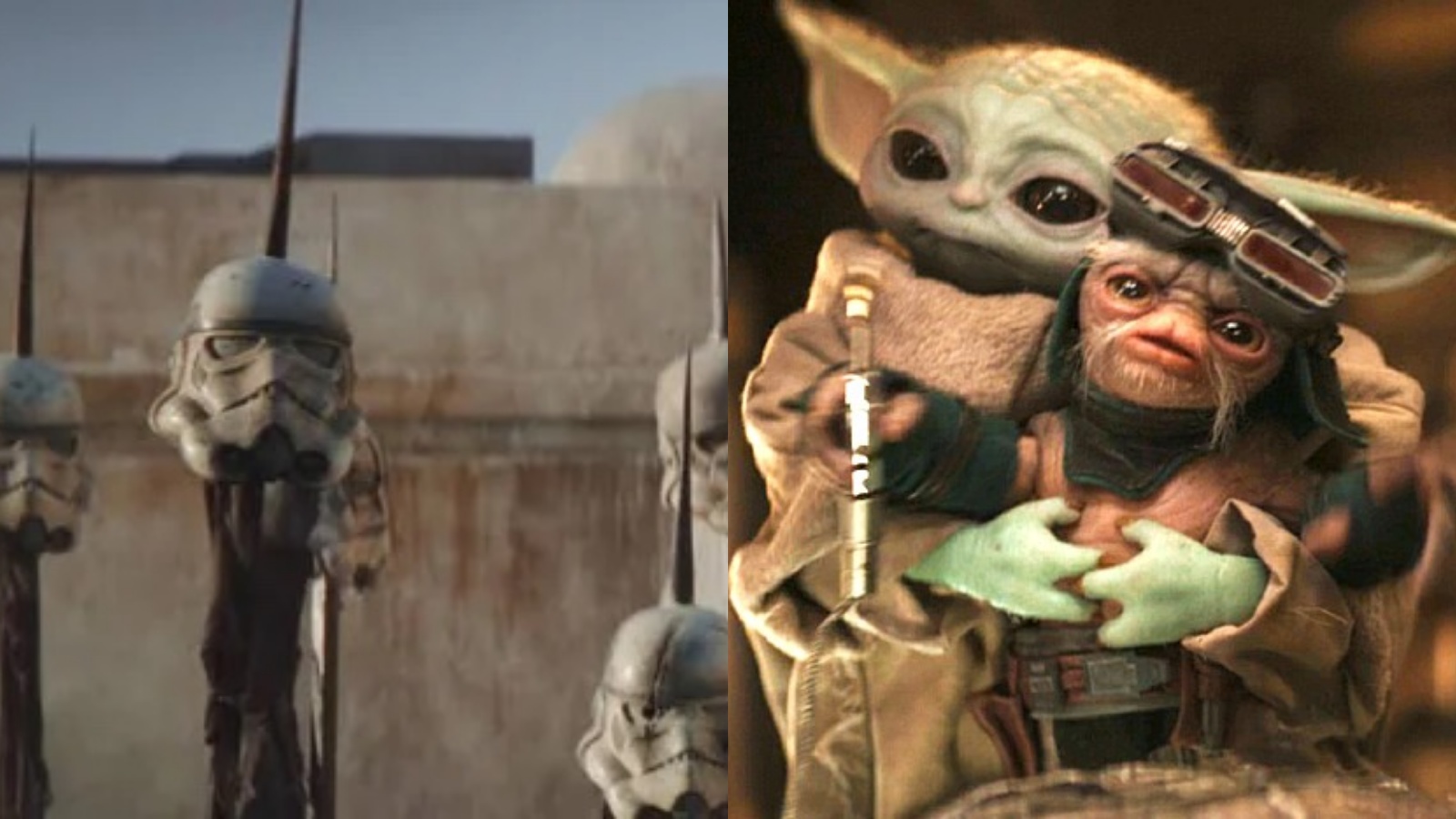
Season 1 vs. Season 3 of 'The Mandalorian'
Dust and blood and gray were replaced by eye-catching sights and sounds. Creative, thematically aligned, and sometimes surprising casting choices like Carl Weathers, Bill Burr, and Giancarlo Esposito became stunt-casting efforts in the form of Jack Black, Lizzo and Christopher Lloyd.
The soul of the show evaporated somewhere between the second and third season, and The Mandalorian & Grogu — widely regarded to be a Frankensteined version of leftover episodes of the series — is what’s left, and suddenly, Lucasfilm finds itself in the same rudderless position it was in following The Rise of Skywalker — without any clear idea of where the cinematic future of the franchise goes from here, or, more worryingly, any sense of what the fans actually want.